01 / DEMAND
Machine consumption
Shot weight and cycle time establish how much resin each machine needs.
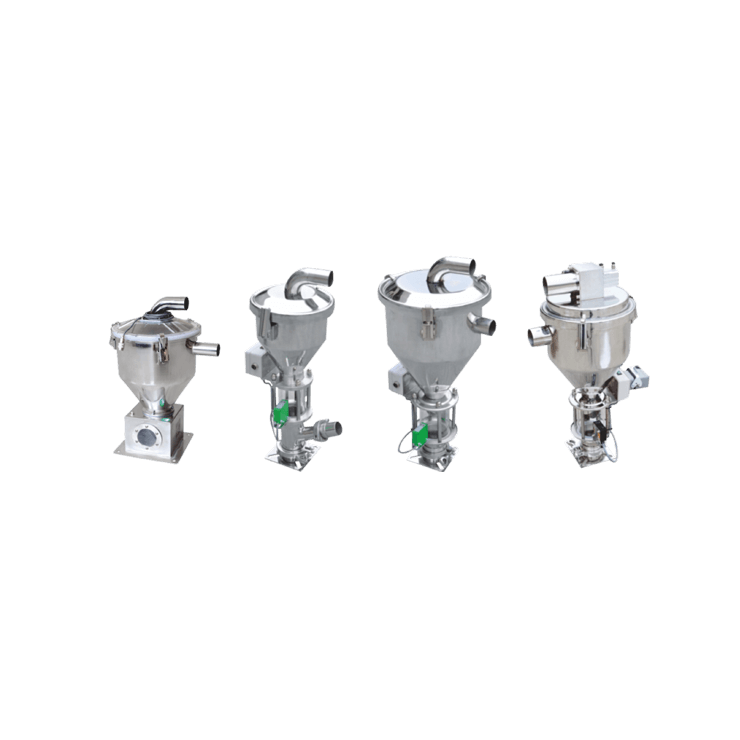
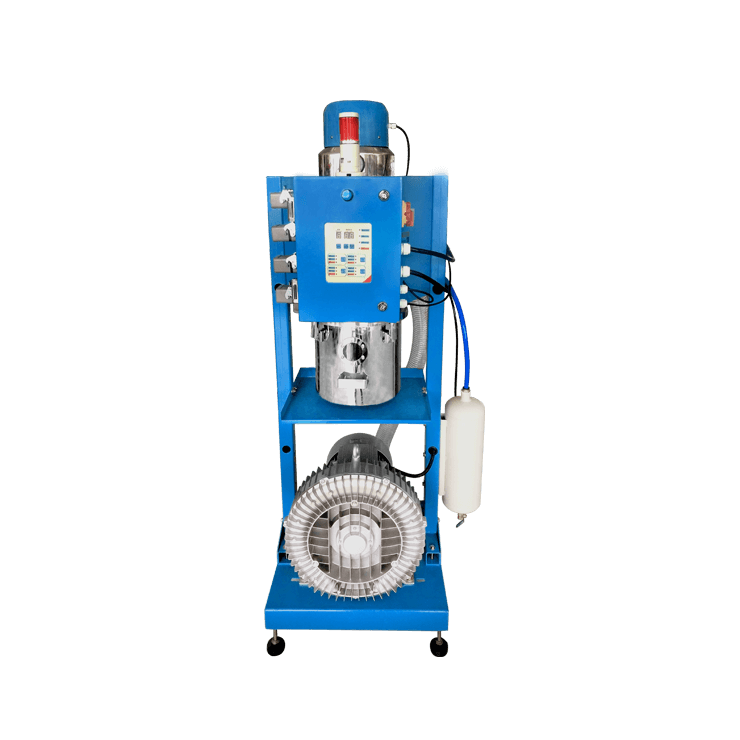
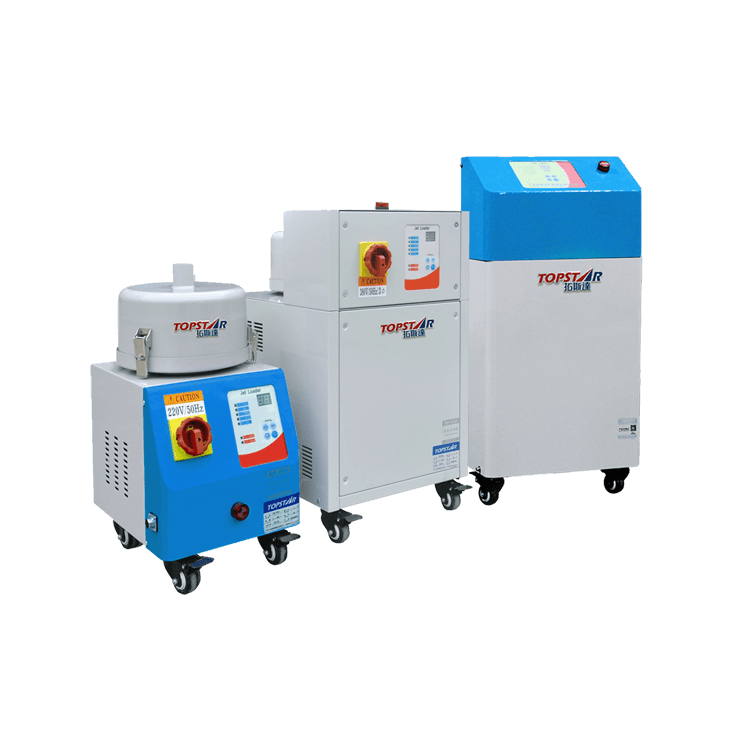
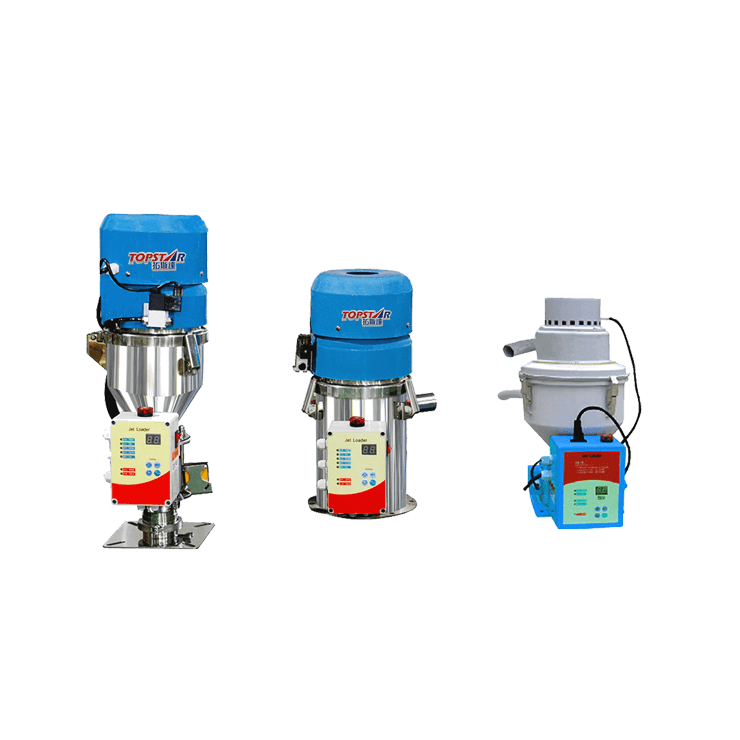
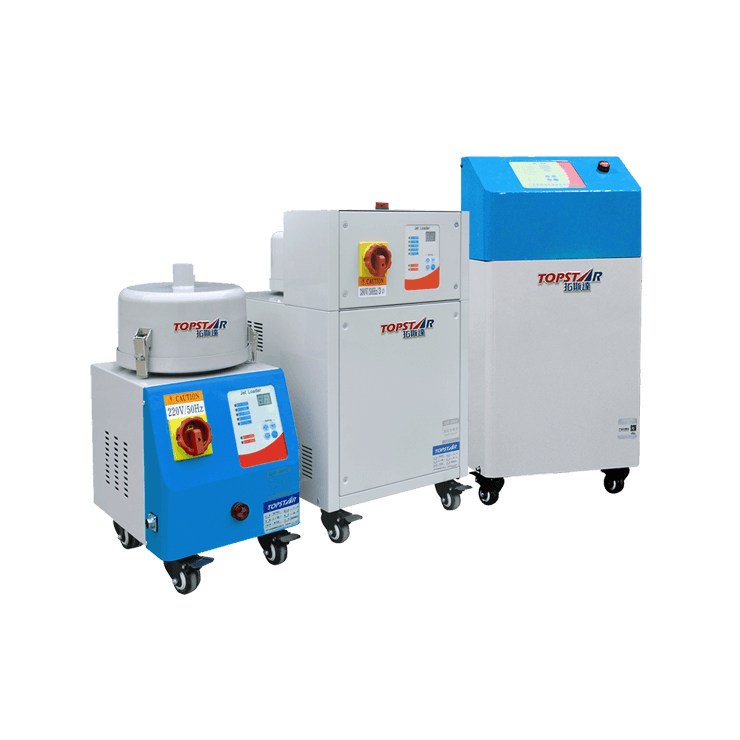
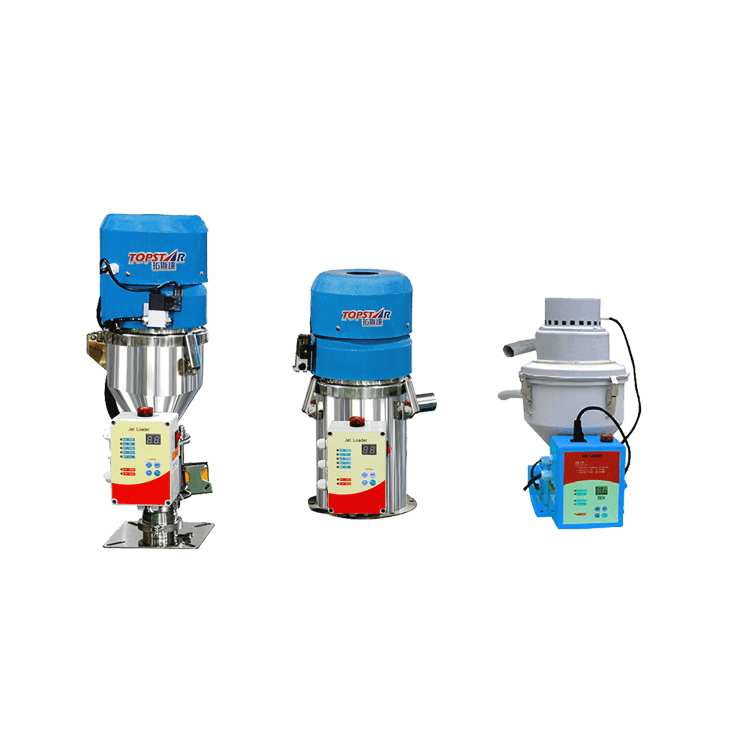
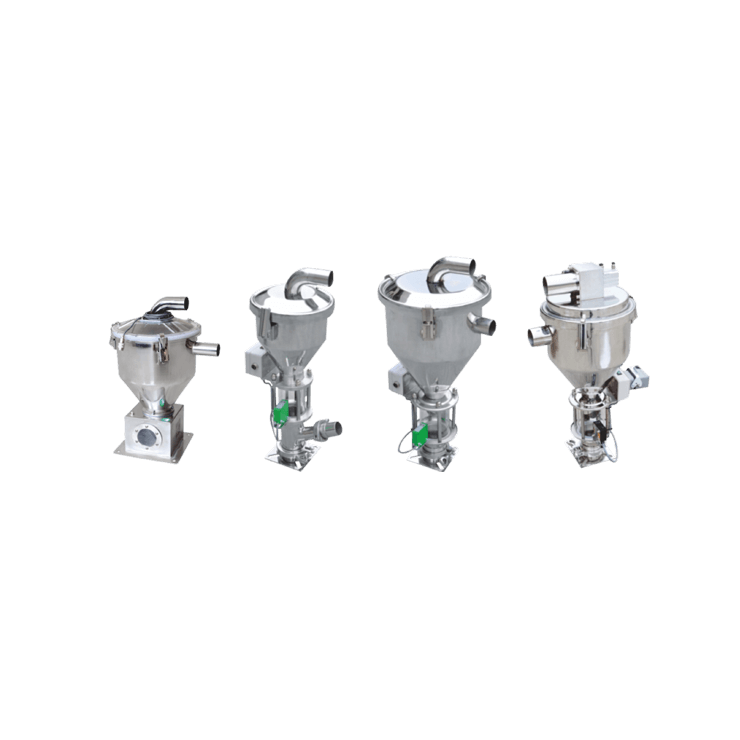
A feeding and conveying system transfers plastic pellets from material sources to receiving hoppers at injection molding machines. It connects material pickup, conveying lines and receivers into a coordinated supply arrangement for the production area.
Topstar’s feeding and conveying system can be configured for one-to-multiple material supply. For a central feeding system project, the arrangement should be matched to resin types, machine consumption and the installed conveying route.
One-to-multiple feeding for machines using the same resin, with replenishment matched to each machine’s demand.
Material transfer from designated storage or pickup locations to receiving points across the production area.
Defined supply paths for machines processing different resin grades or colors.
Configuration review for workshops moving from manual material loading to automatic conveying.
Typical production areas include plastic packaging, electronics and appliance components, and automotive plastic parts.
Adequate supply of goods, available for delivery within 35 days.
A feeding and conveying system connects resin sources to the machines that use them. Plan supply groups around resin grades, colors and machine demand.
A central feeding system can share vacuum resources while keeping different material routes separate.
Illustrative material routes. Vacuum connections are not shown.
A one-to-multiple conveying system must balance machine consumption with the time available for each refill.
Shot weight and cycle time establish how much resin each machine needs.
Usable hopper capacity determines how long production can continue between refills.
Shared conveying equipment must serve each receiving point within its available loading window.
Conveying capacity depends on the complete route—not floor distance alone.
A plastic material conveying system needs to account for pipe length, lift, bends and resin characteristics together.
An injection molding feeding system should make material identity clear from the source to the machine. Dedicated and shared paths need different changeover controls.
Confirm the resin grade, color and assigned supply route.
Check residual material in connections, lines and receivers before switching.
Confirm the receiving machine before restarting material supply.
An optical grade material conveying system requires cleanliness checks across the full route, not only the receiver. Define acceptable carryover and inspection criteria for the application.
Share your resin types, machine demand and layout with Topstar.