
01
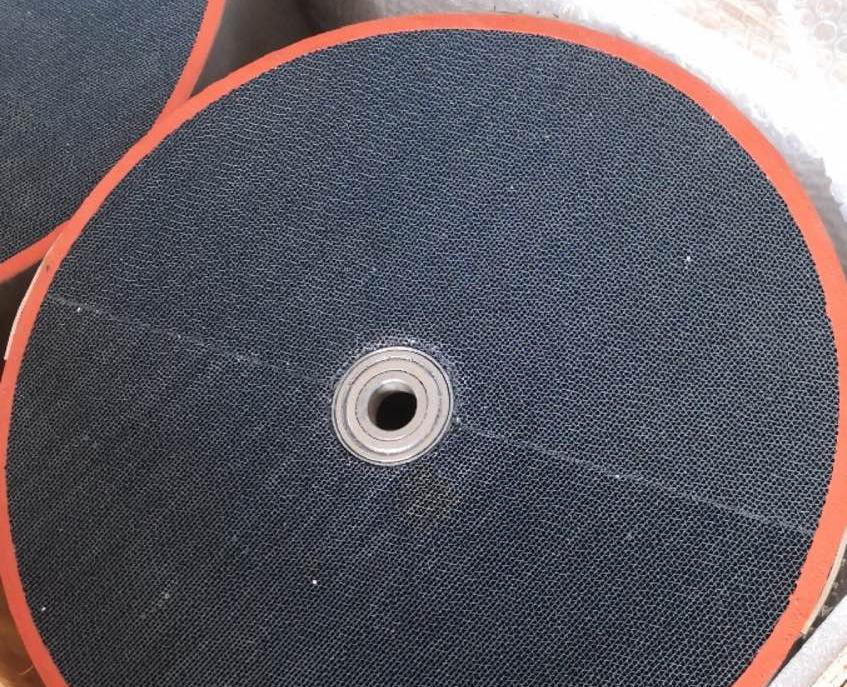
Unpartitioned honeycomb rotor
The rotor structure reduces dew-point fluctuations during rotation, helping deliver a steadier supply of dry process air.
Stable dry air. Controlled heat.
A cleaner path from resin to molding.
Topstar 3-in-1 systems integrate dehumidifying, drying and conveying. Discover how rotor design, heat recovery and application-specific material paths support repeatable resin preparation.
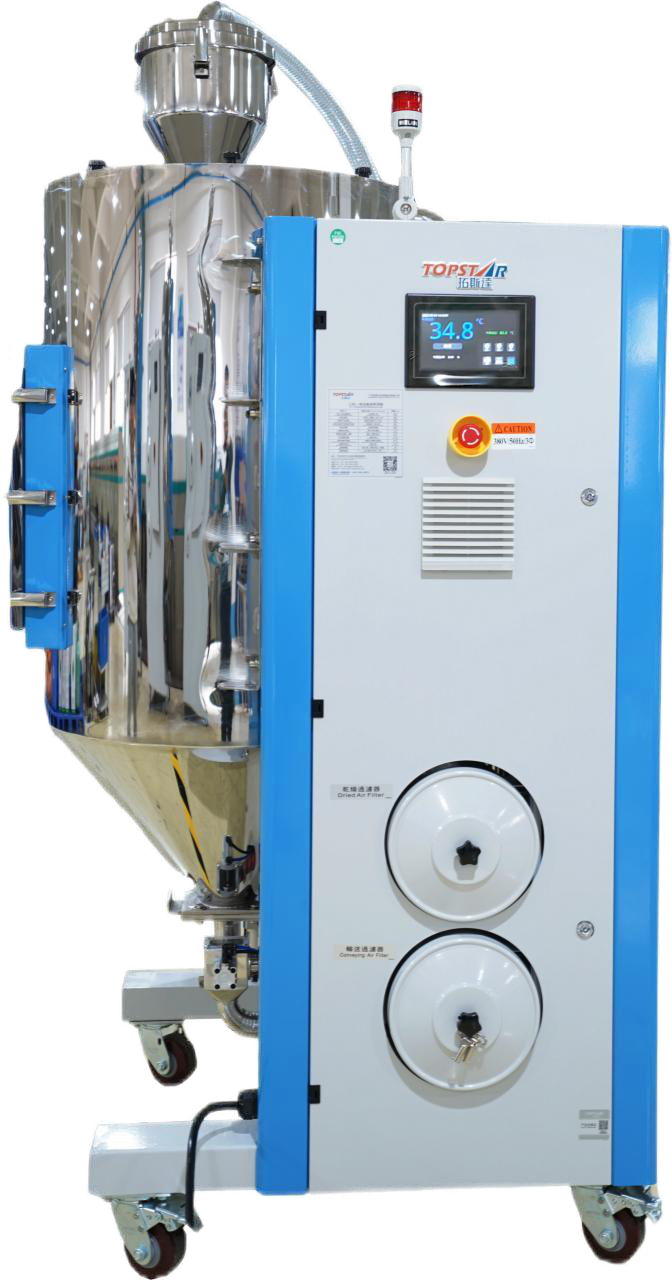
A low dew point matters only when the drying circuit can maintain it. Topstar combines rotor construction, thermal separation and improved sealing to reduce fluctuations and air leakage.
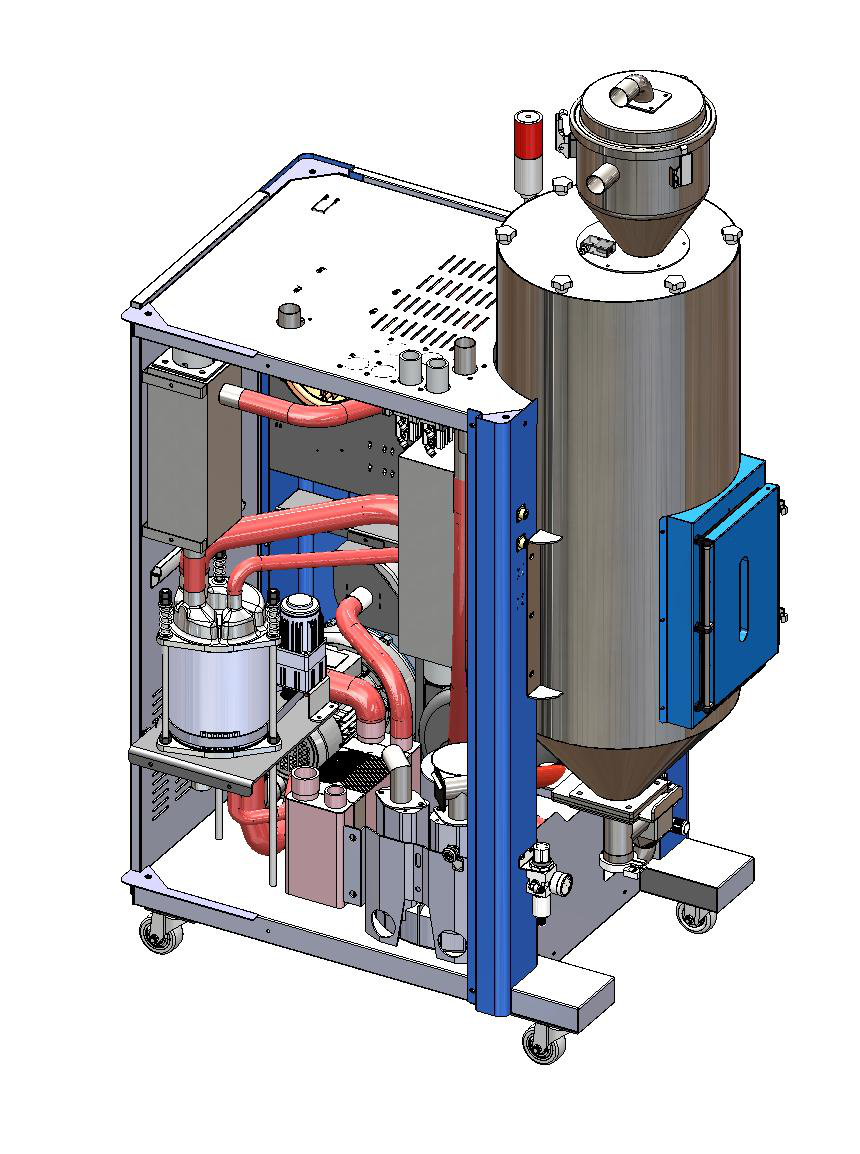
The rotor structure reduces dew-point fluctuations during rotation, helping deliver a steadier supply of dry process air.
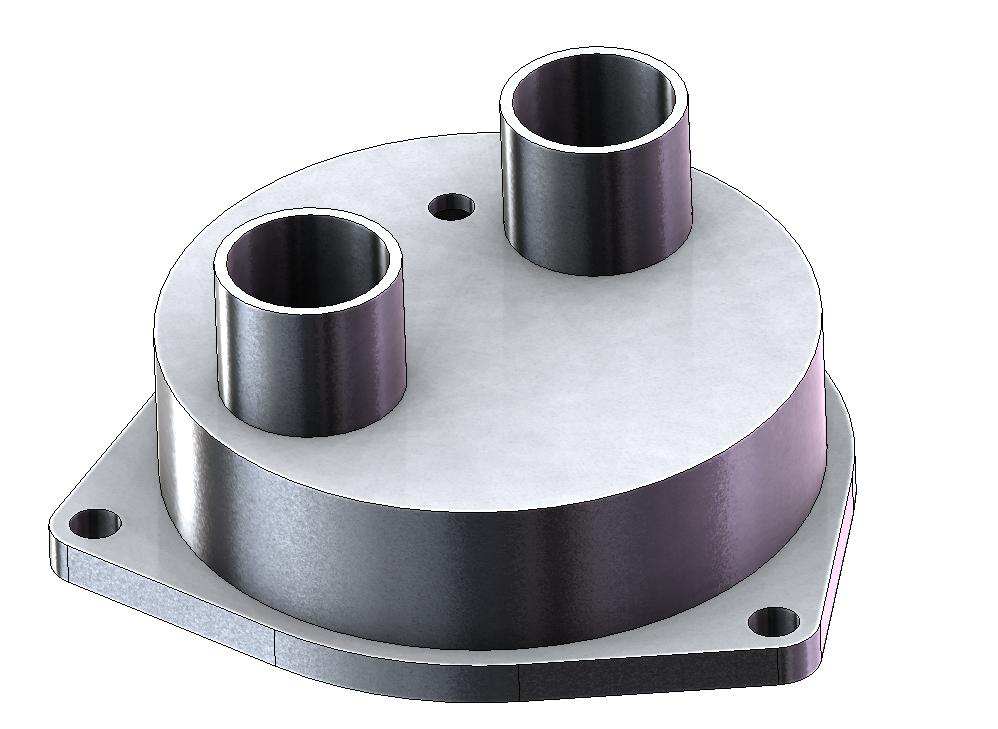
Three isolated zones in the upper and lower covers limit heat transfer. Offset inlet and outlet positions improve the dehumidification airflow path.
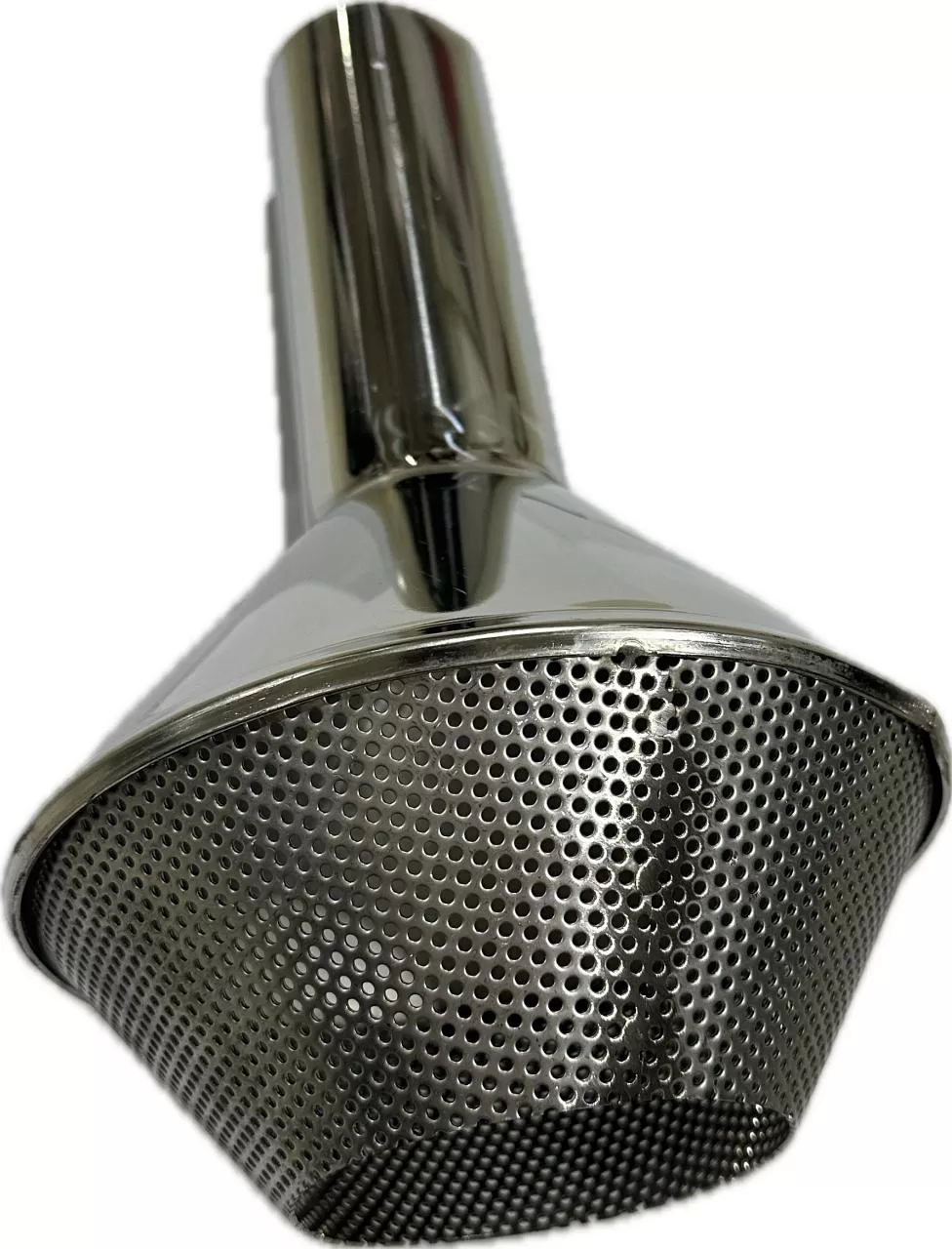
A flanged upper plate and perforated lower plate assembly reduces welding and increases the effective drying area. Closer-fitting rotor gaskets help limit air leakage.
No. Dew point describes moisture in the air. Verify the resin’s final moisture level separately, together with its drying temperature, residence time and airflow requirements.
Energy performance depends on the selected configuration and operating conditions. Pair heat recovery with demand-based operation while maintaining the resin’s drying requirements.
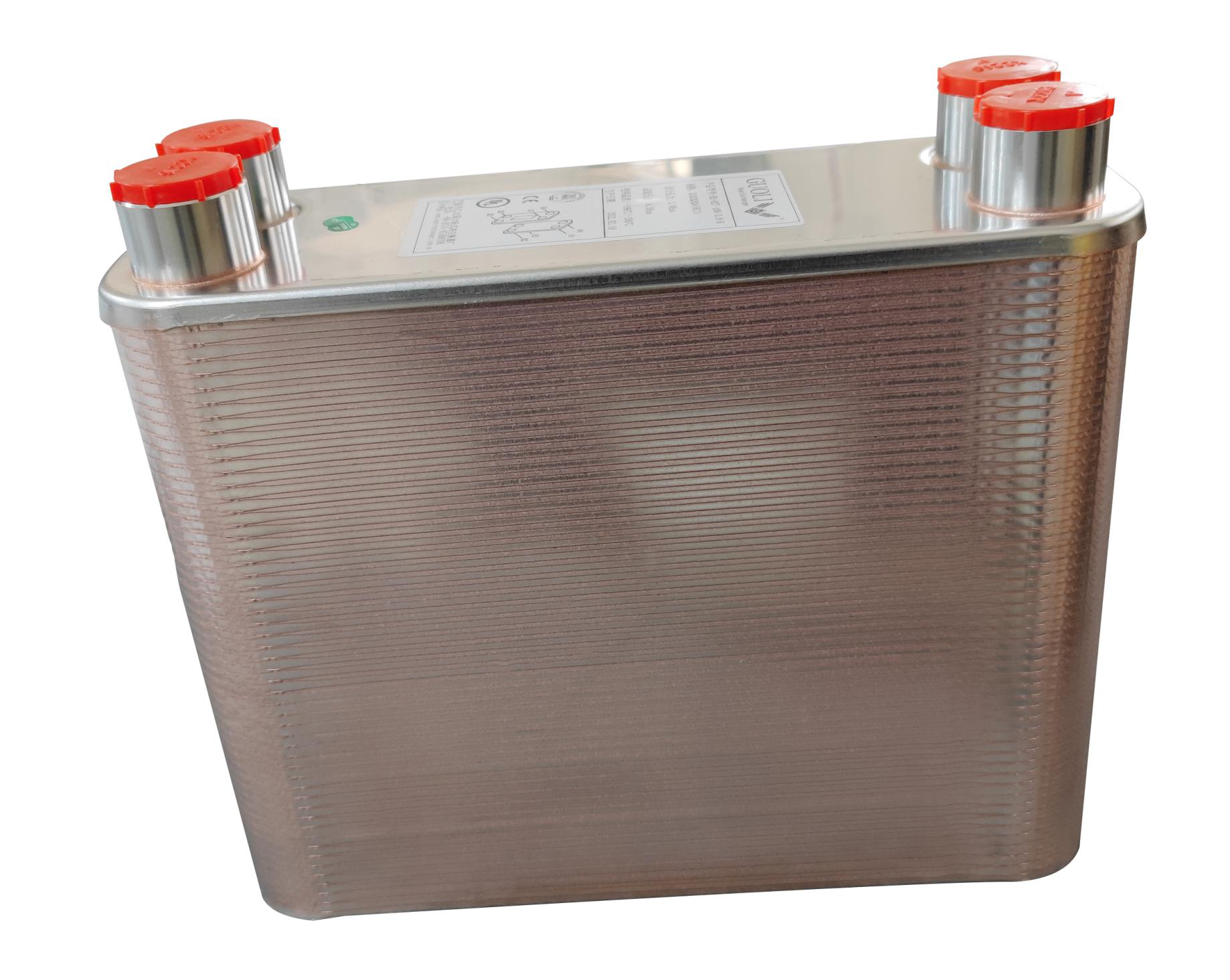
For honeycomb models of 100 kg and below with this air-cooled configuration, a multilayer plate heat exchanger recovers useful heat and removes the need for a cooling-water connection.
TCDHE with variable-frequency control and heat recovery.
Variable-frequency control adapts operation to material use, reducing unnecessary fan and heating demand.
Heat-preservation and anti-overdrying functions support production pauses and lower-demand periods. Availability varies by configuration.
Actual savings depend on resin, throughput, operating conditions and the selected configuration.
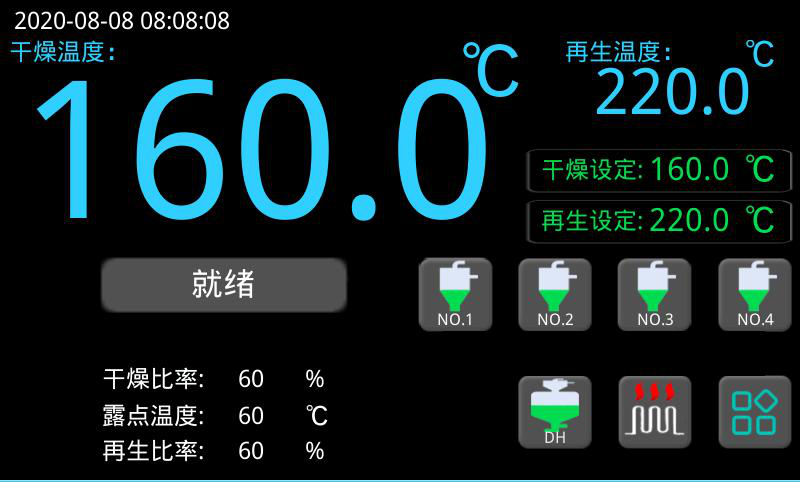
7-inch touchscreen · Operating and alarm logs · One-week scheduling · RS485 / MODBUS RTU. Dew-point display and barcode material verification are optional on the automotive-lighting configuration.
Optical parts, automotive lighting and oil-containing materials bring different risks. Select the appropriate filtration and contact surfaces instead of assuming that one clean-air specification fits every resin.
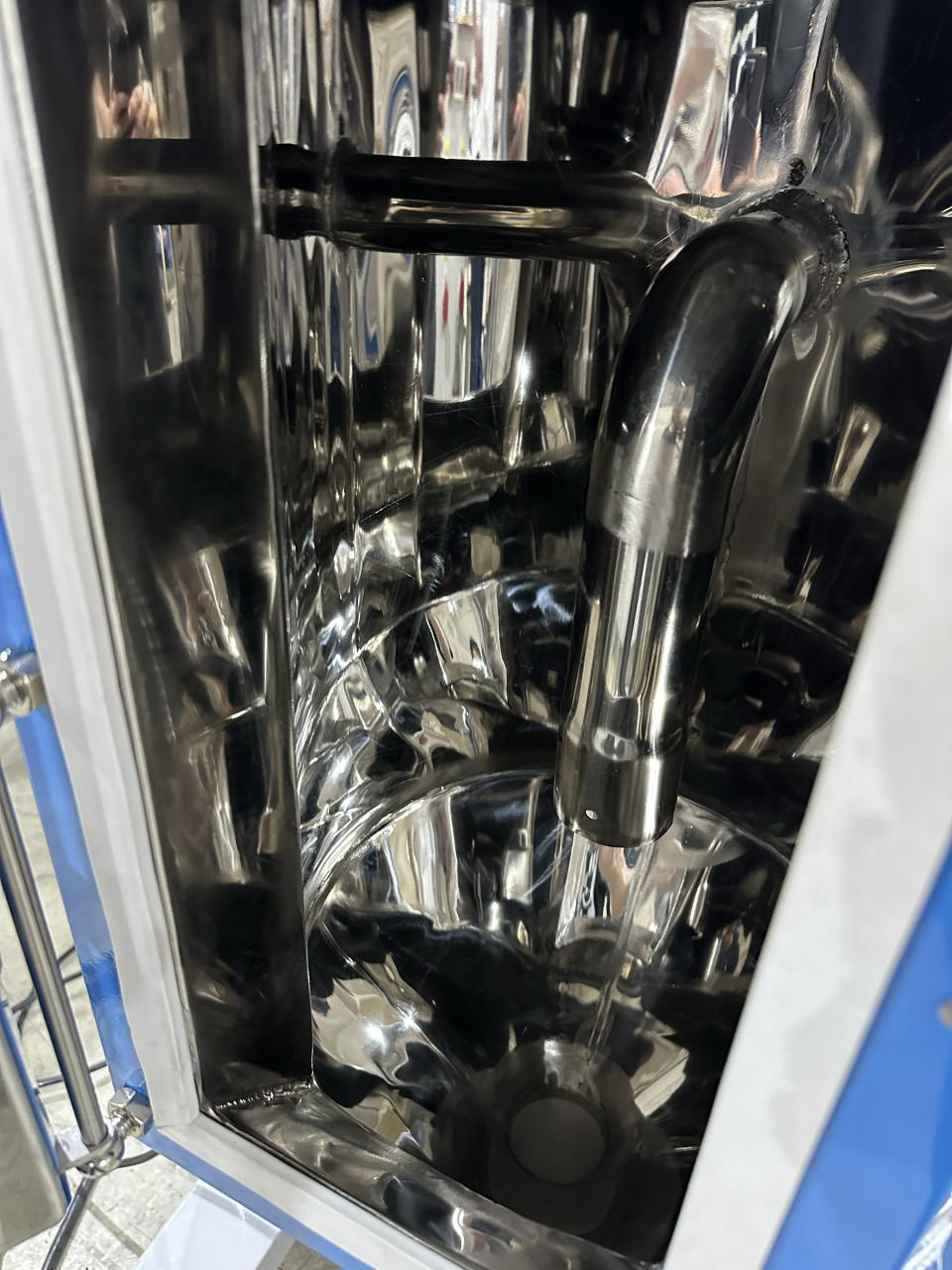 Polished material-contact surfaces
High-efficiency filters in drying and conveying circuits, polished hoppers and pipes, optical-grade conveying hoses and non-contact material shutoff help reduce contamination. A fluidizing receiver uses air agitation to remove dust.
The automotive-lighting configuration filters drying, conveying and make-up air. A dedicated filling port and sealed lid reduce exposure during refilling.
Oil filters and a blower oil-drain port address oil contamination. Ask for an oil-resistant configuration when release agents, diffusion oils or modified additives may affect the drying system.
Start with the process requirement, then select a drying platform and its application-specific options. Cleanliness, energy management and additive compatibility call for different configurations.
| Series / configuration | Key technology | What to confirm for your project |
|---|---|---|
| TCDE energy-saving type | Customizable variable-frequency control, heat preservation and anti-overdrying functions. | Material demand, compressed-air conditions and the required energy-saving package. |
| TCDH honeycomb rotor type | Honeycomb dehumidification; optional heat recovery and high-performance rotor with a stated dew point down to −50°C. | Required dew point, operating conditions and whether the high-performance rotor is included. |
| TCDHE honeycomb energy-saving type | Variable-frequency control plus heat recovery; TCDHE-25 and TCDHE-50 have a specified dew point of ≤ −45°C. | Hopper hold-up, drying residence time, airflow and installation requirements. |
| Optical-grade configuration | 0.3 μm × 99.99% filtration, polished contact surfaces and a clean, closed material path. | Dust sensitivity, transparent-part acceptance criteria and receiver configuration. |
| Automotive-lighting configuration | 0.5 μm air filtration, sealed filling, layered protection and optional dew-point monitoring. | Clean filling requirements, monitoring options and the agreed technical specification. |
| Oil-resistant configuration | Oil filtration, a blower drain port and an enlarged dehumidification tower. | Additive composition, oil carryover and the dew-point measurement location. |
Rotor dew point, material-side dew point and make-up-air dew point describe different measurement locations. Confirm the test location and operating conditions before comparing configurations.
The automotive-lighting configuration combines temperature protection, blower monitoring and separated electrical control layers. Confirm the protection package for the selected model.
Temperature-sensor trips, a mechanical air-temperature cutout and a heater-wall cutout provide separate responses to overheating.
Current-transformer monitoring protects the drying, regeneration and conveying blowers against overload. Phase-sequence protection addresses incorrect rotation.
An isolation transformer, optocoupler and relay controls, and solid-state relay / contactor drives separate computing, control and power-drive circuits.
Crimped wiring terminals support secure reconnection. A drain outlet on the cooling-water tank assists cleaning on water-cooled configurations.
Inspect filters, seals, the rotor and material-contact surfaces according to the selected model’s maintenance instructions. Oil-resistant systems also require attention to oil filters and blower drains.
Start with the resin grade, hourly material use and required drying time. Then match dew point, temperature, cleanliness and plant utilities to the actual molding process.
Resin grade, moisture target, glass-fiber content, regrind proportion and oil-containing additives.
Hourly consumption × required residence time provides an initial material-hold-up estimate. Validate usable capacity and bulk density.
Confirm temperature, dew point, filtration, energy options, power supply and conveying distance.
Confirm the resin supplier’s moisture target and drying conditions. Select hopper size from hourly material demand, required residence time and usable capacity.
Specify 0.3 μm × 99.99% filtration, polished contact surfaces, optical-grade hoses and non-contact shutoff. Record transparent-part quality requirements in the technical agreement.
Specify the 0.5 μm filtered drying, conveying and make-up air paths, sealed filling and polished surfaces. Confirm optional dew-point monitoring and protection functions.
Add glass-fiber-resistant treatment. Confirm the resin grade, fiber loading and abrasion-protection requirements.
Evaluate a cyclone separator. Provide the regrind proportion and dust characteristics to match separation and receiver options.
Discuss the oil-resistant configuration, including an oil filter and blower drain port. Identify all oil-containing additives before selection.
Compare hopper capacity, airflow, installed power and installation dimensions. Use these data together with the resin’s required drying conditions to size the system.
| Selection parameter | TCDHE-25 | TCDHE-50 |
|---|---|---|
| Nominal hopper capacity | 25 kg | 50 kg |
| Dehumidifying airflow | 78 m³/h | 100 m³/h |
| Drying heater power | 3 kW | 3 kW |
| Drying blower power | 0.4 kW | 0.55 kW |
| Regeneration heater power | 3 kW | 3 kW |
| Regeneration blower power | 0.2 kW | 0.2 kW |
| Conveying blower power | 1.1 kW | 1.1 kW |
| Total rated power | 7.9 kW | 8.05 kW |
| Specified dew point | ≤ −45°C | ≤ −45°C |
| Drying temperature | 70–160°C | 70–160°C |
| System power supply | 380 VAC, 3P/PE, 50 Hz | 380 VAC, 3P/PE, 50 Hz |
| Control power supply | 220 VAC, 1P/PE, 50 Hz | 220 VAC, 1P/PE, 50 Hz |
| Power cable / length | 4 × 2.5 mm² / 5 m | 4 × 2.5 mm² / 5 m |
| Dimensions (L × W × H) | 1080 × 750 × 1770 mm | 1120 × 750 × 1920 mm |
| Machine weight | 208 kg | 222 kg |
| Material pipe diameter | Ø38.1 mm | Ø38.1 mm |
| Finish / materials | SPCC: RAL7047 / RAL5012; SUS | SPCC: RAL7047 / RAL5012; SUS |
Hopper capacity is not hourly throughput. Rated power is not average energy consumption. Confirm resin-specific capacity, site utilities and final specifications with Topstar.
Topstar supplies 3-in-1 drying systems within broader auxiliary-equipment projects. Match the dryer to the part, resin and production rhythm, then validate the complete process.
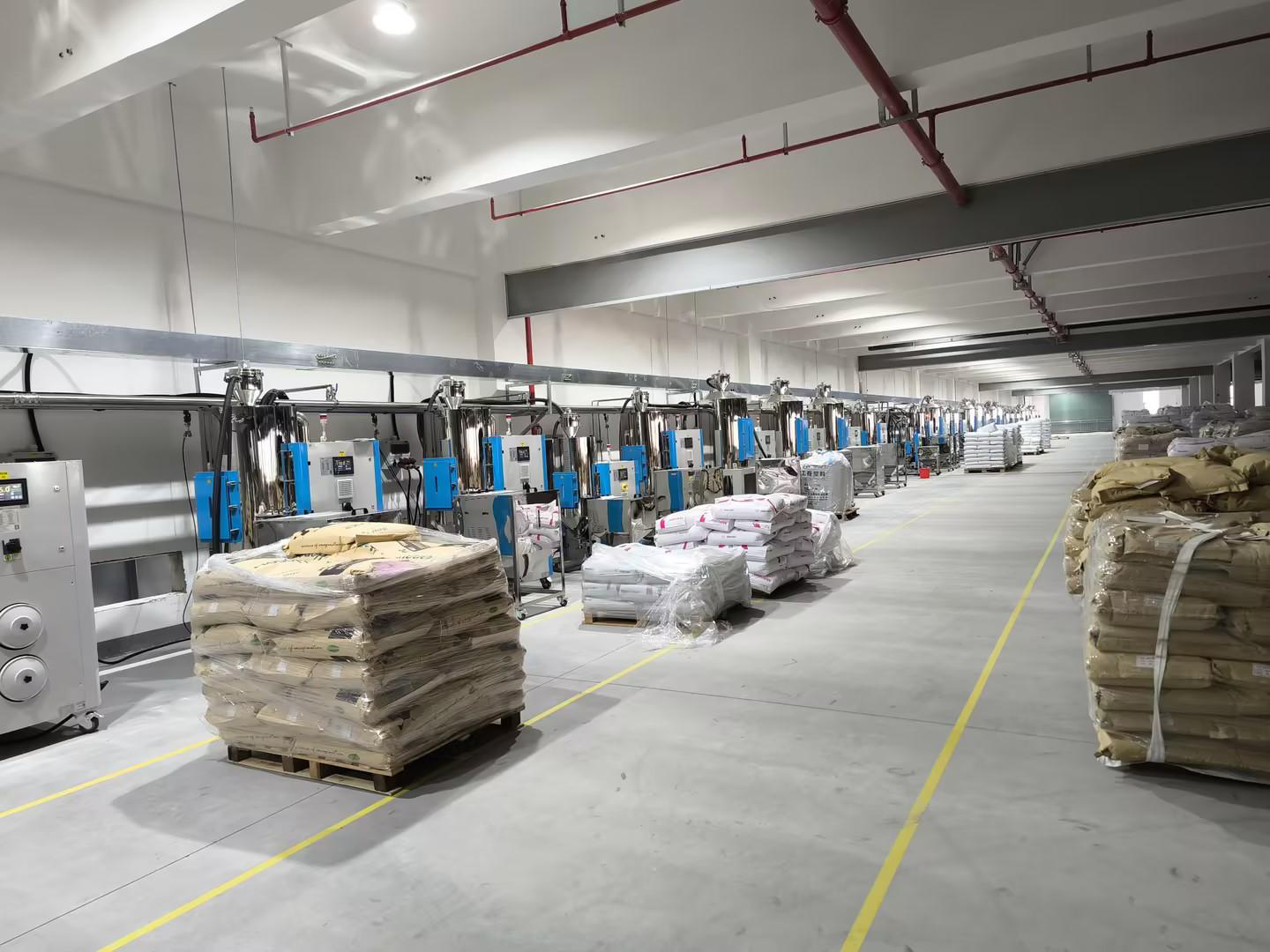 Injection molding production environment
Topstar has supplied 3-in-1 systems alongside mold temperature controllers to Galanz. Select drying capacity around actual resin consumption and residence time.
Supply examples include Foxconn and Luxshare, with 3-in-1 systems among the auxiliary equipment. Confirm material changes, cleanliness and process-monitoring needs.
Topstar has supplied nitrogen 3-in-1 equipment alongside high-temperature mold temperature controllers to Yutong Optical. Discuss whether an optical-grade or nitrogen configuration fits the resin and part.
Topstar recommends glass-fiber-resistant treatment when glass-fiber content exceeds 5%, and a cyclone separator when regrind is used. Confirm abrasion protection and dust separation for the actual resin blend.
Not by capacity alone. Hopper sizing also depends on drying residence time, resin bulk density and usable fill level. For example, 10 kg/h with a required three-hour residence time needs at least 30 kg of material hold-up before design allowances; this is an illustrative calculation, not a model recommendation.
No. The specifications for TCDHE-25 and TCDHE-50 list ≤ −45°C. Optical and automotive-lighting configurations have different filtration specifications. Confirm the selected model, measurement location and agreed operating conditions.
Prepare your resin grade, kg/h, moisture target and part-quality requirements.