
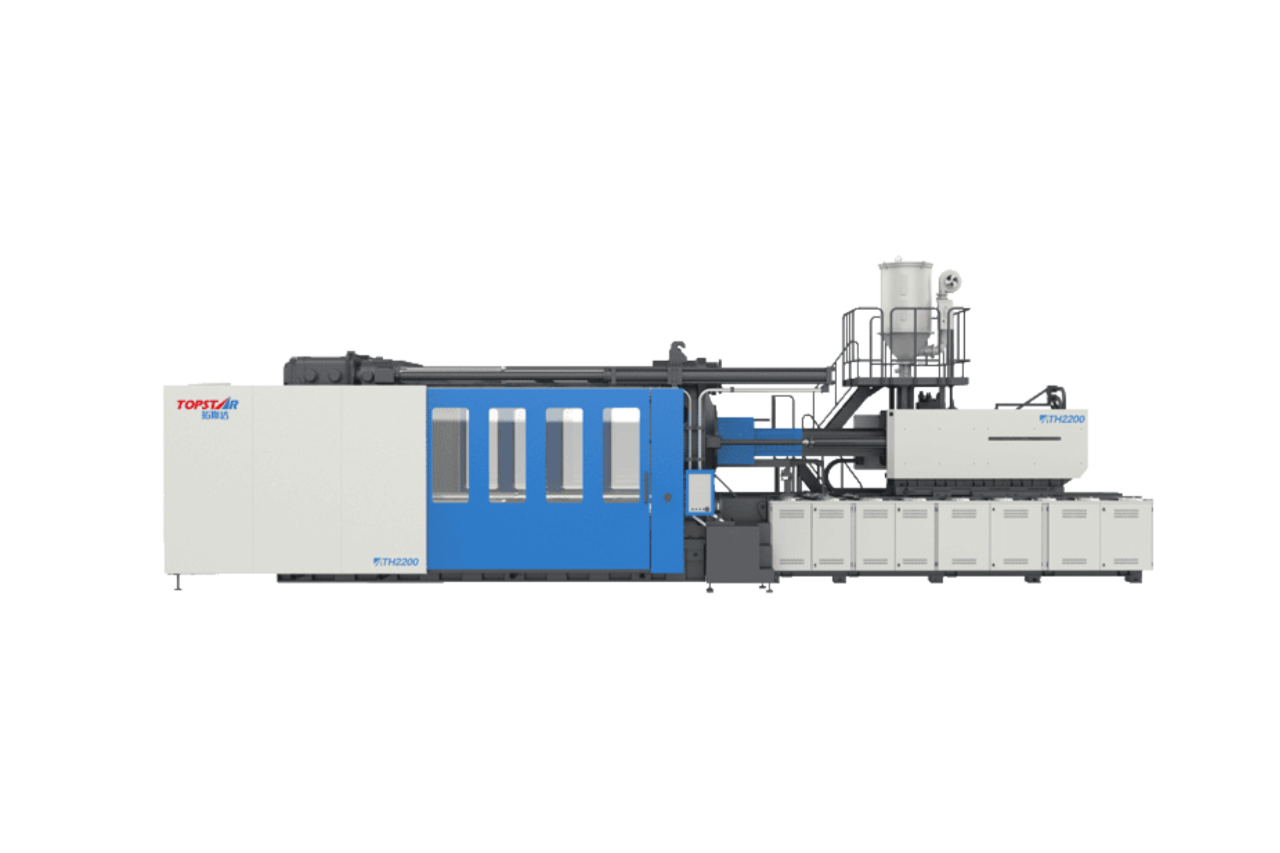
How does the four-column synchronous movement of large injection molding machines ensure a low failure rate?
Large injection molding machines are subjected to structural and process stresses far greater than those of smaller machines. Their molds are heavier, clamping plate loads are higher, and clamping strokes are longer; even minor deviations can lead to more severe consequences and result in a very high failure rate. Therefore, our large injection molding machines… Continue reading How does the four-column synchronous movement of large injection molding machines ensure a low failure rate?

What kind of clamping system is needed for large injection molding machine with high clamping force?

For the large injection molding machine that require high clamping forces, the clamping system has a significant impact on production accuracy, uptime, and safety. In fact, for large-tonnage, high-clamping-force injection molding machines, we utilize a multi-cylinder direct pressure clamping design. This approach expands clamping capacity without concentrating the load on a single actuator. It improves… Continue reading What kind of clamping system is needed for large injection molding machine with high clamping force?

What auxiliary equipment does a large injection molding machine need?

A standalone injection molding machine cannot operate optimally without a complete set of auxiliary equipment to handle material conditioning, temperature control, and waste management, which are critical to a stable and productive molding cycle. Generally speaking, seven key auxiliary equipment are required for each large injection molding machine installation, including mold temperature controllers, chillers, material… Continue reading What auxiliary equipment does a large injection molding machine need?

Get A Quick Quote