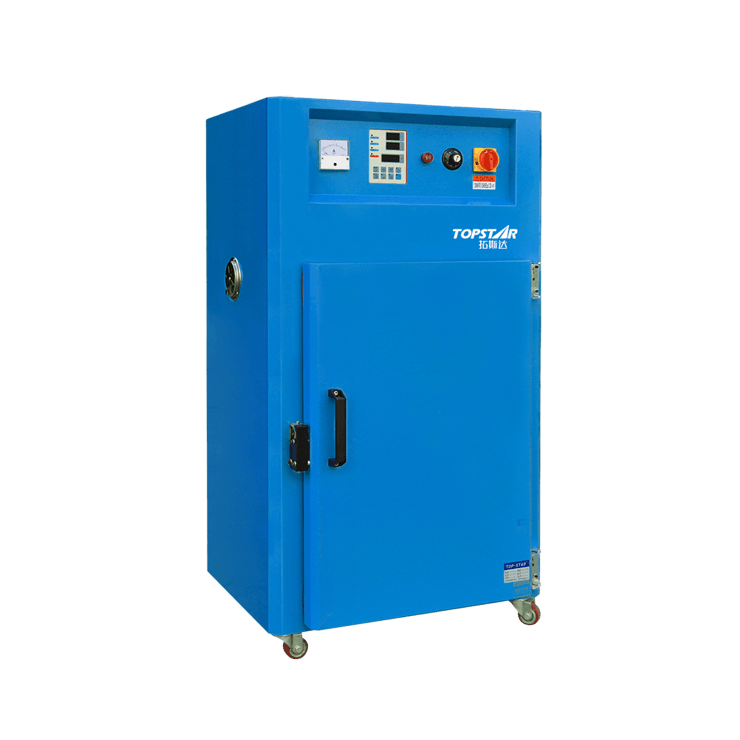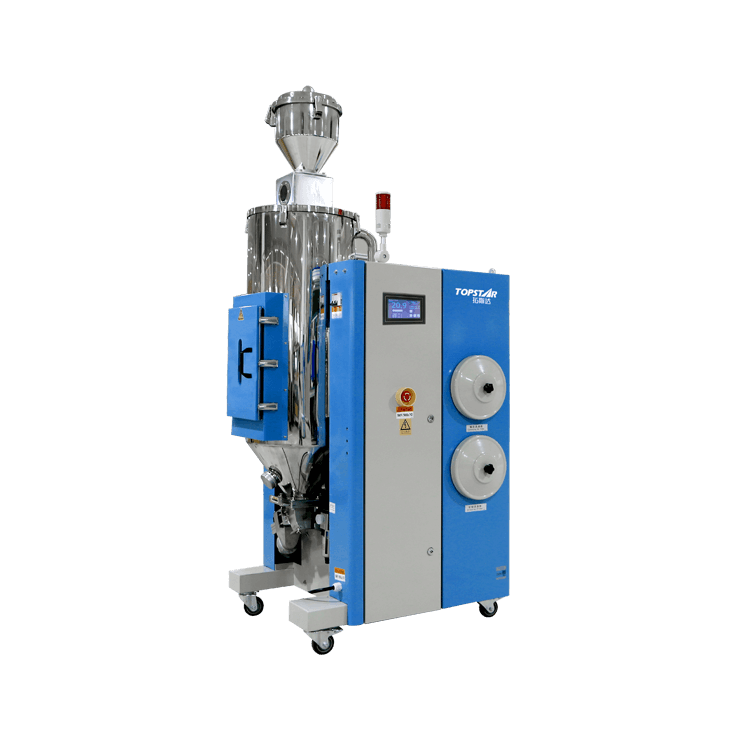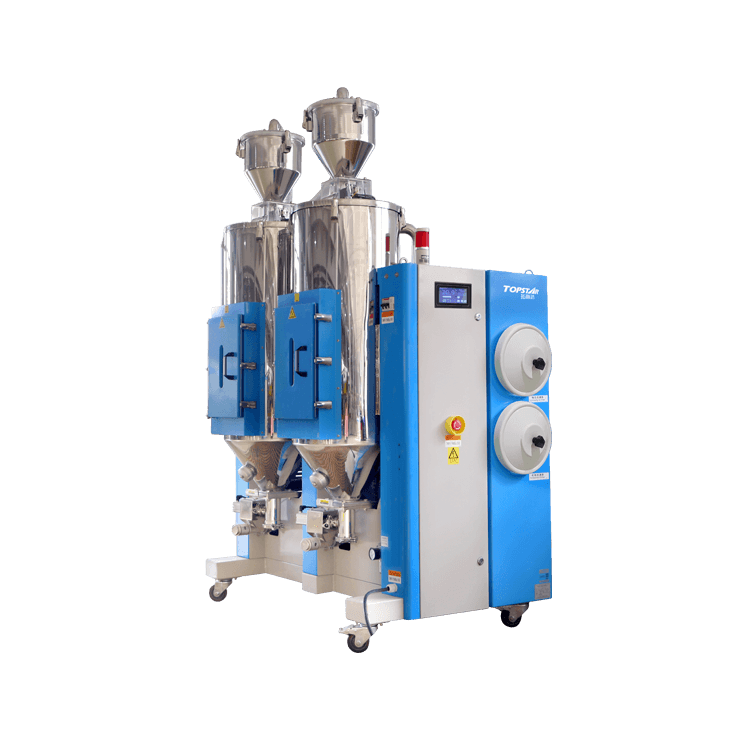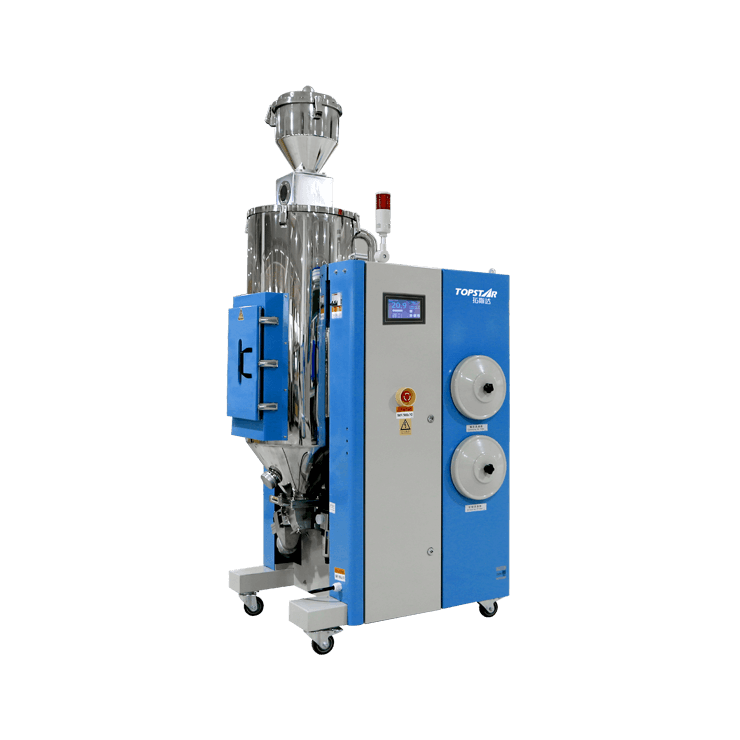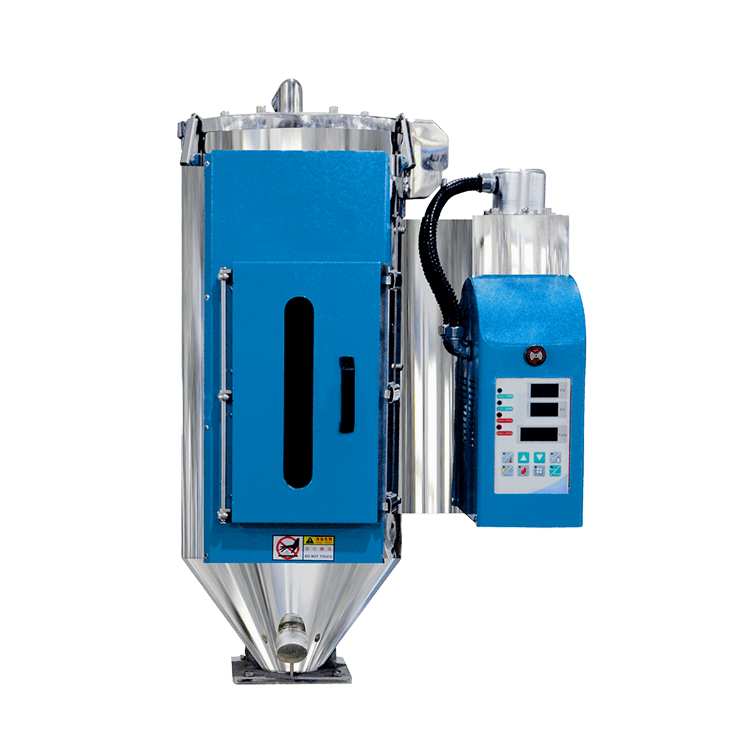
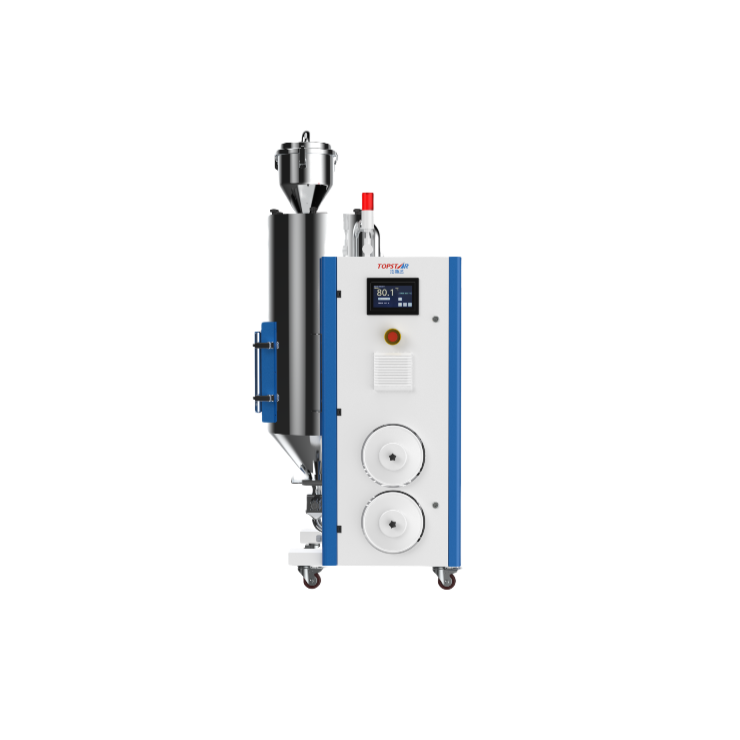
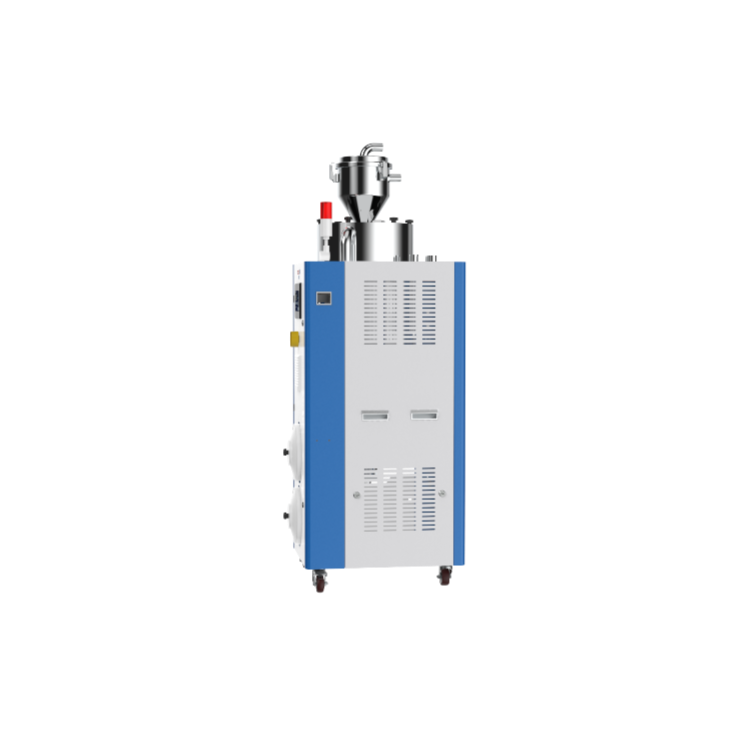
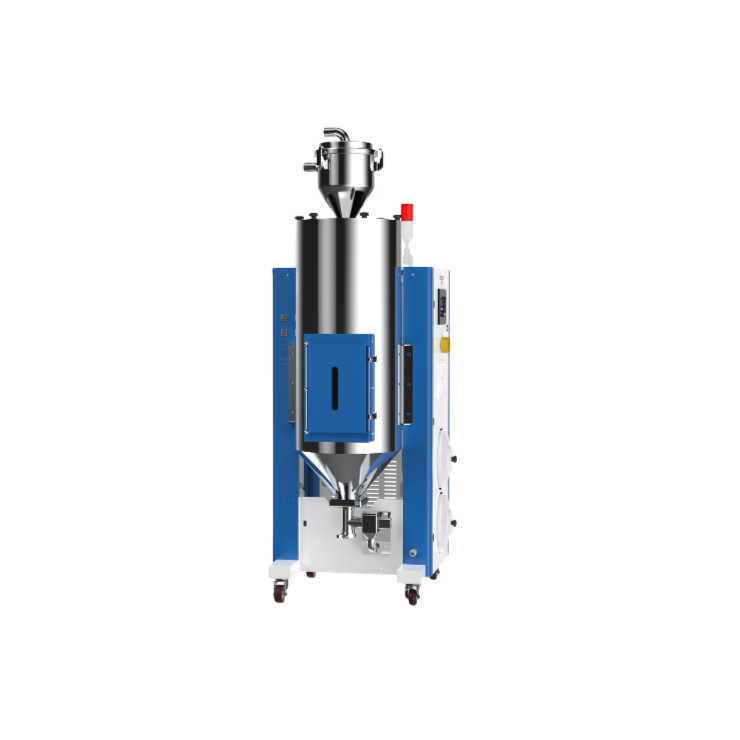
Single-Machine Continuous Production
Match usable hopper capacity and dry-air supply to hourly consumption and required drying time. Review conveying cycles and available floor space before selecting an integrated or separate arrangement.
Topstar drying and dehumidification systems are specifically designed for injection molding applications, providing precise humidity control, stable low-dew-point drying, and contamination-free material handling. These dryers and dehumidifier dryers utilize PID temperature control, energy-efficient airflow design, stainless steel construction, and comprehensive safety features to effectively improve product quality while reducing energy consumption. From standard hot air dryers to advanced three-in-one drying systems and nitrogen dehumidification systems, Topstar offers reliable drying solutions for hygroscopic plastics, optical-grade plastics, and high-performance plastics.
Adequate supply of goods, available for delivery within 35 days.
A plastic drying and dehumidifying system coordinates dry-air generation, resin heating, residence time and material transfer before injection molding. The right configuration starts with the resin grade, hourly consumption, machine layout and required part quality.
TOPSTAR combines drying, conveying and control components around your process requirements. Review the material path and operating conditions together, then select the equipment and options needed for the application.
For hygroscopic resins, the dehumidification unit supplies low-dew-point air. In a desiccant system, a separate regeneration process restores the moisture-removal capacity of the drying medium.
Heated process air passes through the resin. Match temperature, airflow and residence time to the material supplier’s requirements rather than applying one drying recipe to every resin.
Coordinate hopper discharge, conveying and machine feeding. A suitable sealed transfer arrangement helps limit exposure to humid plant air after drying.
Assess level signals, conveying requests and operating interruptions so prepared material reaches the injection molding machine at the required rate.
Use available temperature, dew-point and alarm information to track operation. Verify resin residual moisture separately with an appropriate test method; a low air dew point alone does not prove the resin is ready to process.
Evaluate material demand and the production layout before choosing a resin drying system. Machine count, material changes and quality requirements determine how the drying hopper, conveying path and controls should work together.
Confirm the proposed equipment scope, operating limits and optional functions for each project, especially where multiple materials or molding machines share the installation.
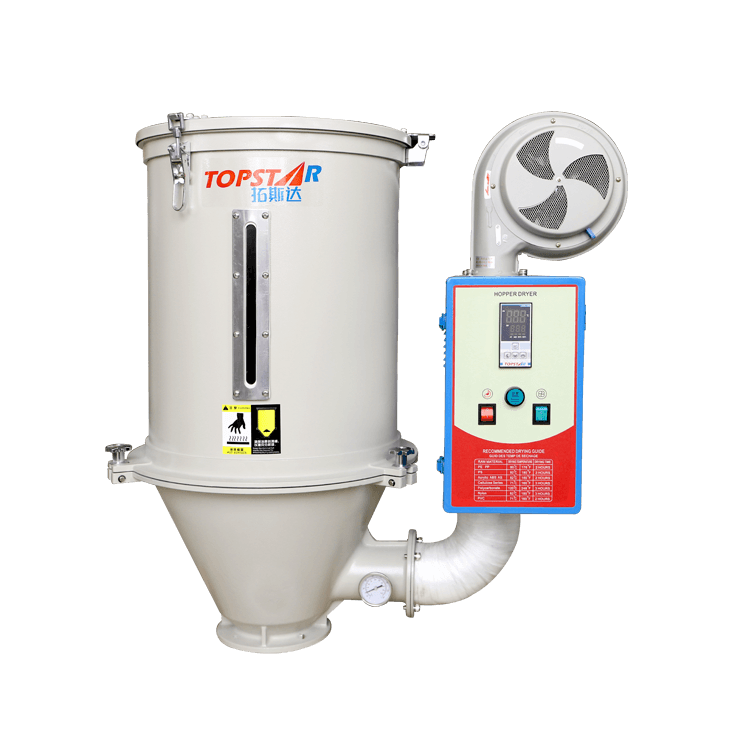
Match usable hopper capacity and dry-air supply to hourly consumption and required drying time. Review conveying cycles and available floor space before selecting an integrated or separate arrangement.
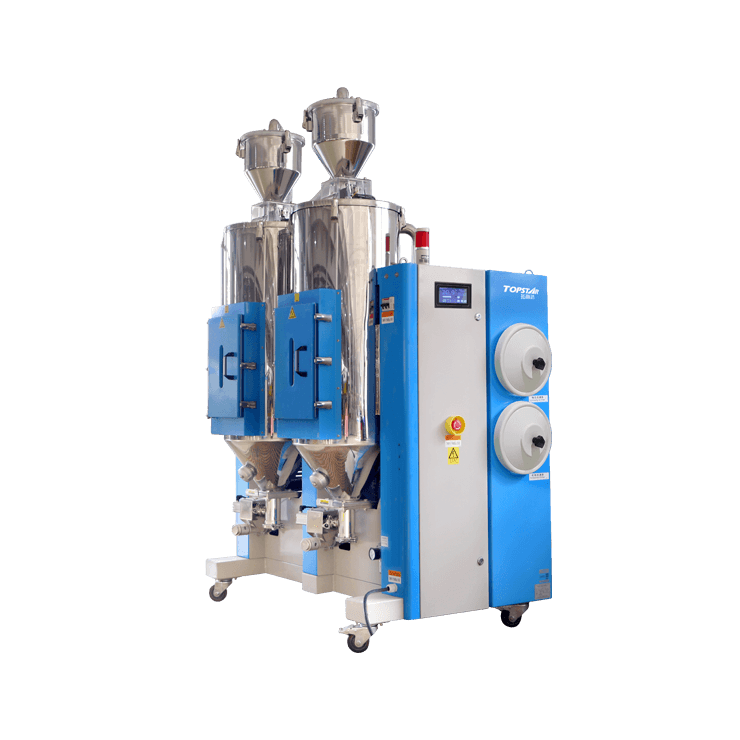
Check whether resins need different temperatures or simultaneous processing. Evaluate hopper separation, cleaning access and material identification alongside a suitable dual-hopper configuration.
For a proposed central drying and conveying system, map demand at each machine, material allocation and conveying distance. Confirm distribution, control interfaces and expansion requirements during engineering review.
For cleanliness-sensitive parts, review filtration and material-contact surfaces. For an upgrade, check existing equipment capacity and interfaces before deciding which components to retain or replace.
| Material / Quality Requirement | Configuration Considerations |
|---|---|
| PA, PC, PET and PBT grades | Assess low-dew-point drying, temperature and residence time against the specific resin grade and moisture target. |
| PP and PE grades | Check storage conditions and supplier instructions. Non-hygroscopic resins do not automatically require desiccant drying; surface moisture may need separate attention. |
| Optical and transparent parts | Review clean material-contact surfaces, suitable filtration and protected transfer. Define the cleanliness requirement before selecting options. |
| Oxidation-sensitive materials | Assess a nitrogen drying configuration separately, including gas supply and operating requirements, where the application justifies it. |
A resin drying system must provide sufficient drying time while maintaining material supply. Hopper volume alone is not a complete capacity specification.
As an initial inventory estimate, multiply hourly resin consumption by the required drying time. Then assess bulk density, usable hopper volume, material flow and the dryer’s operating capacity before selecting equipment.
50 kg/h × 4 hours = 200 kg of resin inventory. These assumed values illustrate the calculation only; 200 kg is not a final hopper specification or a guaranteed system throughput.
Confirm the resin grade and bulk density, initial and target moisture, prescribed drying conditions, machine consumption, conveying distance and expected production interruptions. Check the usable inventory and flow behavior as well as the nominal hopper size.
For variable demand, review low-load operation and restart procedures so reduced consumption does not expose the resin to excessive heat or create a shortage when production resumes.
Drying performance must be preserved between the hopper and the injection unit. Coordinate moisture protection, cleanliness, material demand and fault handling across the complete resin preparation system.
Review the material route with TOPSTAR’s feeding and conveying equipment to define the transfer arrangement and installation scope.
Assess transfer-air conditions, receiver exposure and the route to the machine. Specify sealed or dry-air conveying where needed for the resin and handling conditions.
Select filtration and cleanable contact surfaces for the application. Review residual material, discharge points and cleaning procedures when changing resin or color.
Confirm receiver signals, conveying capacity and machine demand. Define the response to low material levels or interrupted transfer rather than assuming drying capacity alone ensures supply.
Agree which temperatures, dew-point readings and alarms are available. Confirm communication, recording and interlock functions against the selected equipment and project scope.
Choose the system arrangement first, then compare suitable dehumidifying dryers and hopper configurations. The series below provide starting points for an application review; verify capacity and standard or optional functions on the individual product pages.
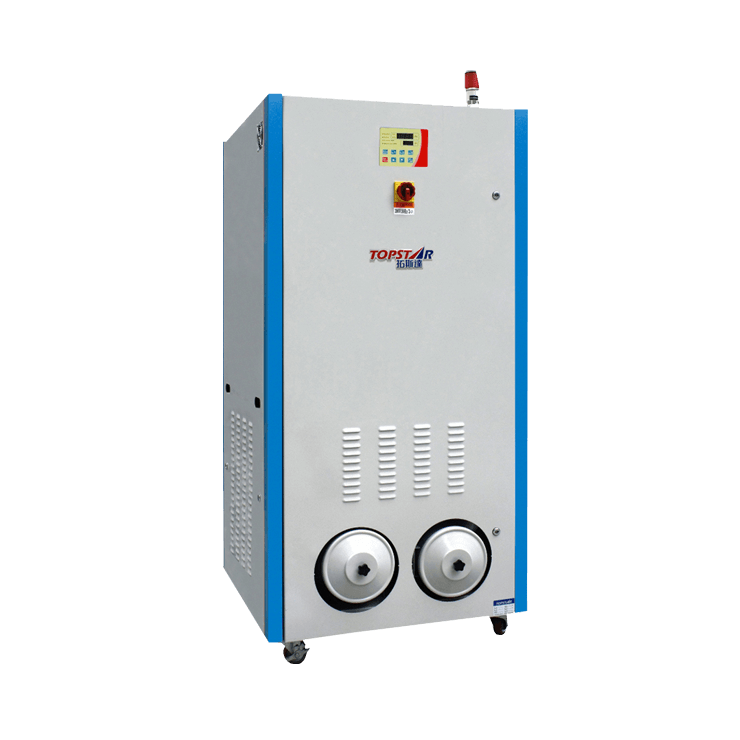
For continuous production, the TCDHE series combines dehumidification, heat recovery, and variable-frequency control to reduce unnecessary energy use while maintaining the required resin drying conditions.
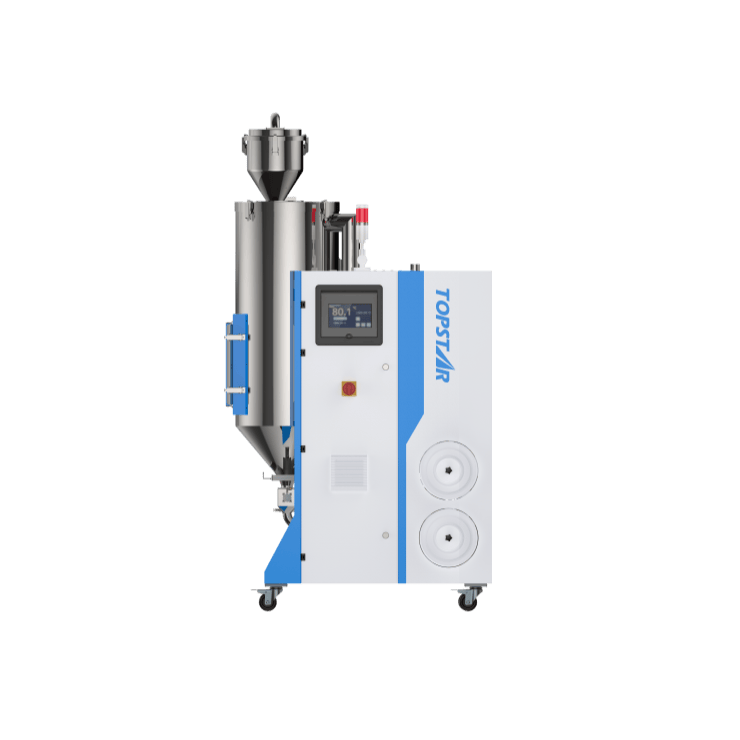
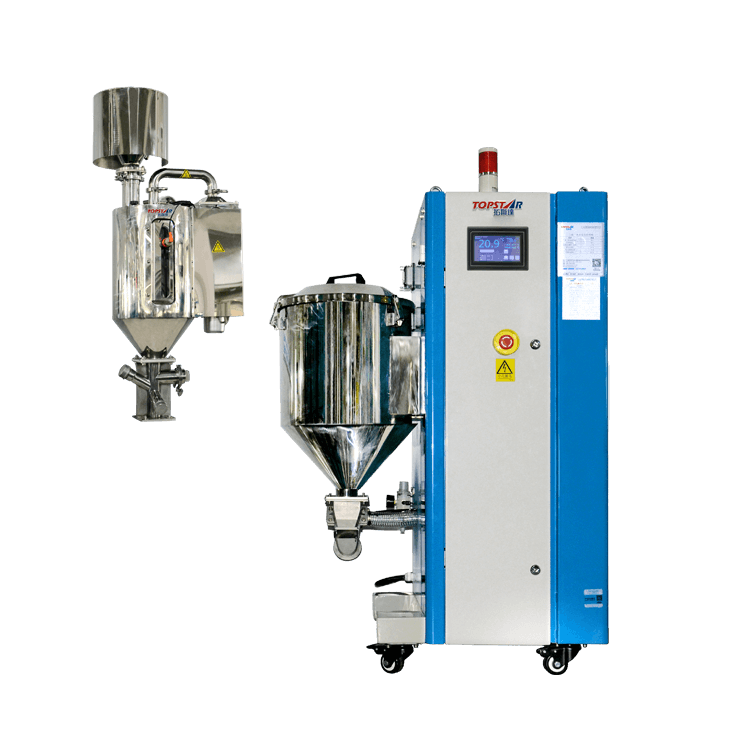
The TCDH series integrates dehumidification, drying, and conveying in one compact unit. Its sealed material path helps prevent moisture re-absorption, while optical-grade configurations meet additional cleanliness requirements for precision and optical parts.
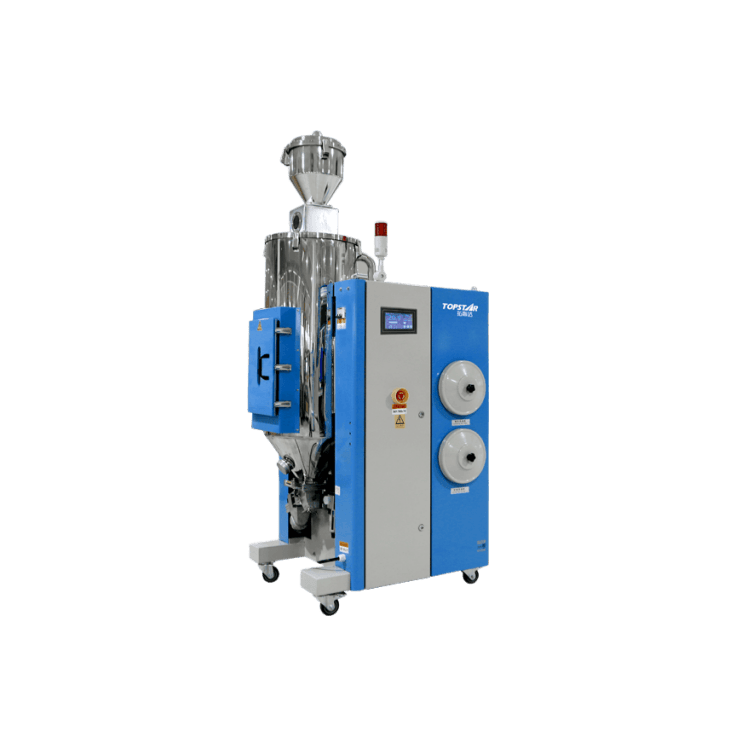
The TDA/TDB double-hopper series allows two materials to dry at different temperatures in one compact setup. Separate temperature settings accommodate each material’s drying requirements during two-material production.
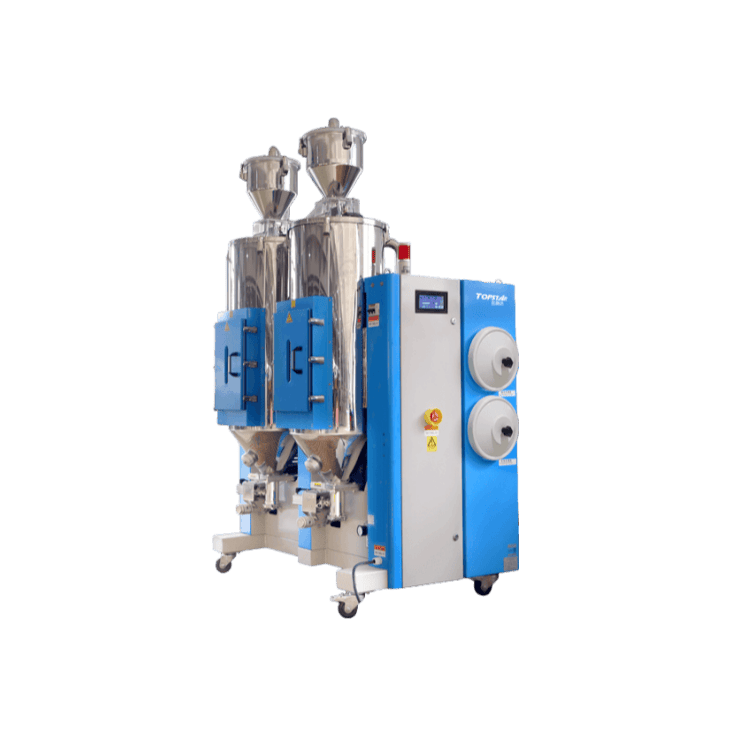
For installations with limited space beside the molding machine, the TCDE series combines drying and conveying in one compact unit. An insulated hopper reduces heat loss, while enclosed conveying helps protect dried resin during transfer.
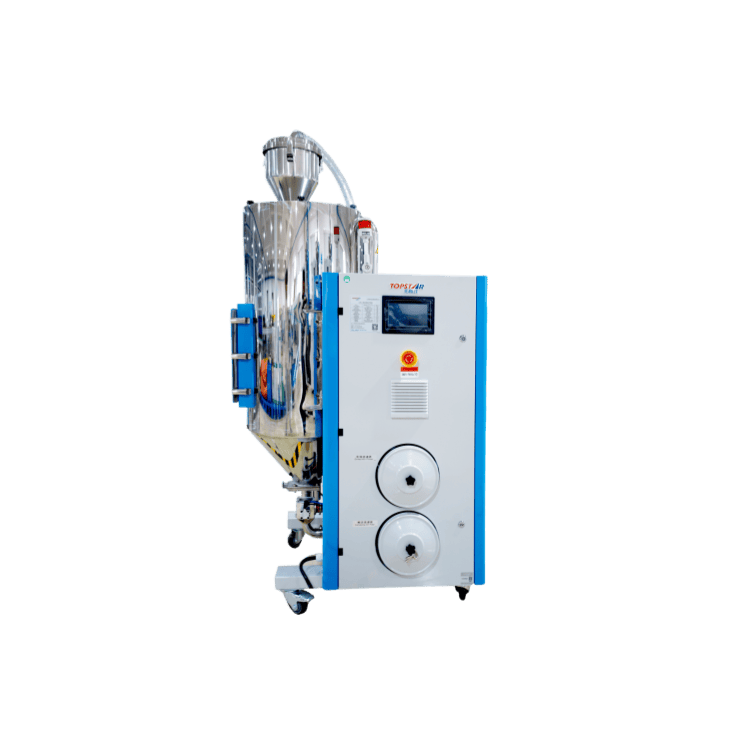
Compare TOPSTAR dehumidifying dryers and related drying equipment →
Agree on acceptance conditions before commissioning. Check the drying equipment, the resin condition and sustained production together, using the agreed material grade and operating load.
Check specified temperatures, airflow, available dew-point readings and alarm responses. Record the operating conditions and the configuration used during the trial.
Sample material using an appropriate handling and measurement procedure. Compare the result with the resin supplier’s processing limit and the agreed project requirement.
Check material supply and molded-part quality at the target consumption rate. Review stoppages and restarts where they form part of the expected production cycle.
It depends on the resins, drying conditions and production schedule. Materials needing different temperatures or simultaneous processing may require separate hoppers or drying arrangements. Confirm material separation and cleaning requirements before selecting a shared configuration.
An upgrade requires a review of current dryer and hopper capacity, conveying routes, utilities and control interfaces. Provide the existing layout and equipment details so retained components and new equipment can be assessed together.
No. Air dew point describes the moisture condition of the process air. Resin moisture also depends on temperature, airflow, residence time and initial material condition. Verify residual moisture using a suitable method and the material supplier’s requirement.
Share your material and production requirements with TOPSTAR to discuss the drying, conveying and control configuration for a new installation or an existing-line upgrade.
Resin grade, supplier guidance and current quality concerns.
Hourly consumption, machine count and operating schedule.
New project or upgrade, layout and available equipment.
If drying settings or moisture limits are not yet known, include the material datasheet and the issue you need to resolve.