
Molding Machine Troubleshooting: Repairing Mold Damage Caused by Clamping Force Mismatch
2026/03/06 By le zhan
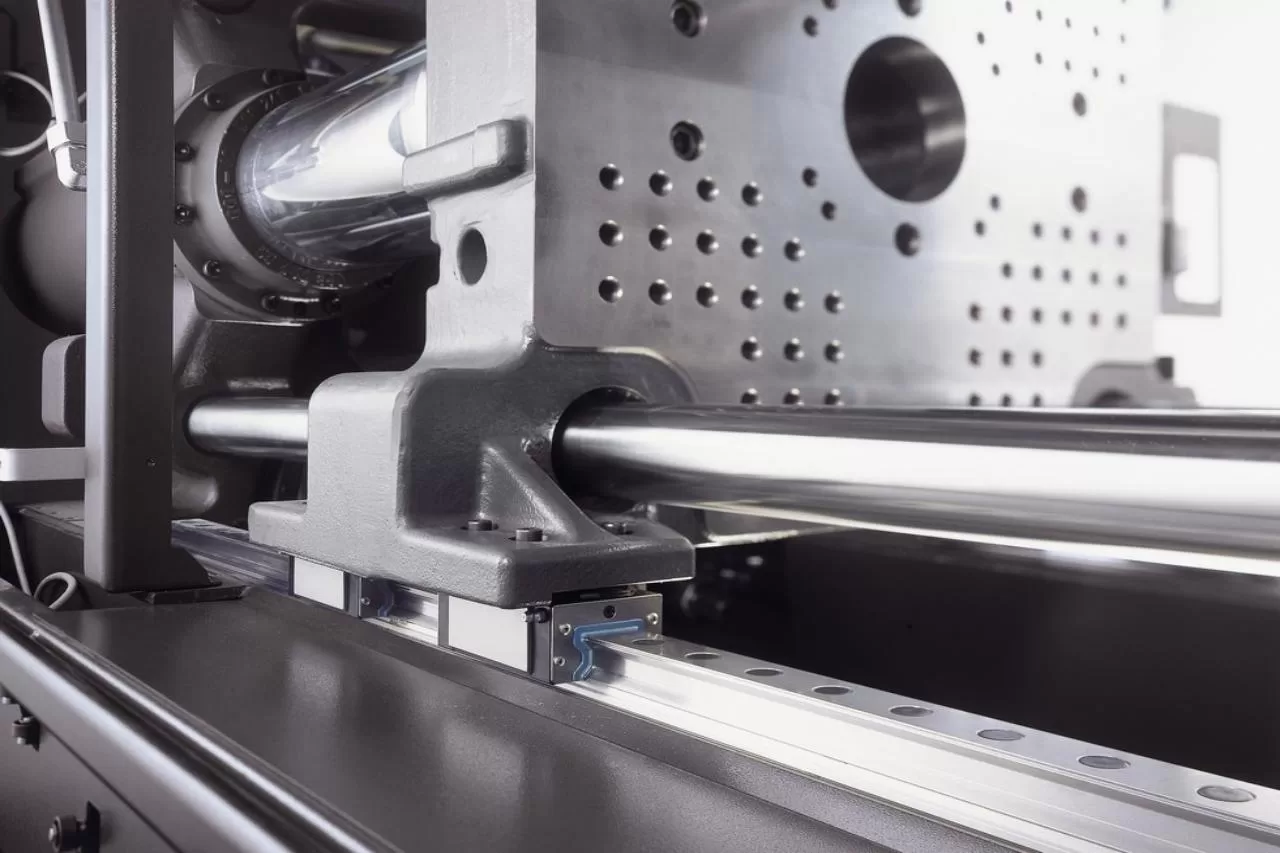
Injection molding production relies heavily on the precise fit between the mold and the injection molding machine. Among all operating parameters, clamping force is one of the most critical factors affecting mold safety, product quality, and machine stability. When the clamping force of the molding machine does not match the mold requirements, various problems can occur, including flash, mold deformation, cavity damage, and shortened mold life. Therefore, effective troubleshooting of the molding machine and fault resolution can maintain stable production and protect the mold.
Clamping Force and Its Impact on Molding Machine Performance
Clamping force is the mechanical pressure applied by the injection molding machine to keep the two mold halves tightly closed. If the clamping force is insufficient, molten material may overflow from the parting line, resulting in flash defects and reduced product precision.
On the other hand, excessive clamping force is equally harmful. When the clamping force applied by the molding machine exceeds the necessary value, the mold structure will be subjected to unnecessary stress. Over time, this stress may lead to mold plate deformation, guide pin wear, and even cracking of precision mold components. Therefore, achieving a proper balance between cavity pressure and molding machine clamping force is crucial for both product quality and equipment lifespan. From an engineering perspective, the optimal clamping force should be determined based on the projected area of the molded part, injection pressure, and material properties. When these parameters are correctly calculated and configured, the injection molding machine can operate efficiently without damaging the mold.

How Clamping Force Mismatch in the Molding Machine Leads to Mold Damage?
In injection molding, clamping force mismatch is one of the most common causes of mold damage. When the clamping force is too low, the mold cannot withstand the cavity pressure during injection. This often results in mold separation, flash, and uneven cavity filling.
However, excessive clamping force can lead to more serious long-term problems. For example, excessive clamping force can cause platen bending, compression of the parting surface, or damage to positioning components. These problems gradually reduce mold accuracy, eventually leading to production downtime. In many factories, operators try to solve flash problems by increasing clamping force rather than analyzing the root cause. Unfortunately, this approach only accelerates mold wear. Therefore, engineers must focus on accurate troubleshooting rather than simply adjusting the machine’s clamping force parameters.

Practical Troubleshooting Methods for Clamping Force Issues in Injection Molding Machines
The first step in troubleshooting molding machines is to determine if a mismatch in clamping force is indeed causing mold damage. First, analyze phenomena observed during production, such as flash defects, inconsistent product dimensions, or abnormal mold wear.
Topstar molding machines are typically equipped with sensors and monitoring systems to record clamping force, injection pressure, and machine position. By analyzing this data, technicians can determine if the applied clamping force meets the actual molding requirements. For example, if the cavity pressure frequently exceeds the machine’s clamping capacity, flash and mold stress are likely to occur. Another effective diagnostic method is to inspect the mold itself. Uneven wear on the mold parting surface, misalignment of guide components, or deformation marks on the mold platen may indicate excessive clamping force. By combining machine data with physical inspection of the mold, engineers can more accurately pinpoint the root cause of the problem.
Repairing Mold Damage Caused by Clamping Force Errors
Once engineers confirm that a clamping-force mismatch is causing mold damage, the next step is to implement appropriate repair strategies. Mold repair typically focuses on restoring mold alignment, surface integrity, and structural stability.
For example, if excessive clamping force damages the mold parting surface, technicians can perform surface grinding or polishing to restore its smoothness. If guide pins or bushings are worn, replacing these parts can improve mold alignment and reduce stress during machine operation. Furthermore, if the mold undergoes structural deformation, mold reinforcement may be necessary. Strengthening the mold plates or installing support pillars helps distribute clamping pressure more evenly across the entire mold structure. These measures ensure that the injection molding machine operates within safe mechanical limits. However, repair alone is insufficient. Engineers must also correct the molding machine parameters that initially caused the problem. By adjusting clamping force settings, injection pressure, and mold protection systems, manufacturers can prevent later damage and extend mold life.
Preventing Future Mold Damage Through Proper Injection Molding Machine Settings
Prevention is always better than a cure. Therefore, manufacturers should establish a standardized clamping force setting procedure for injection molding machines before production begins.
One of the most effective methods is to calculate the required clamping force based on the projected area of the molded part. Engineers typically multiply this area by the cavity pressure coefficient to determine the minimum clamping force required for stable molding. This calculation method allows operators to avoid clamping forces that are either insufficient or excessive.
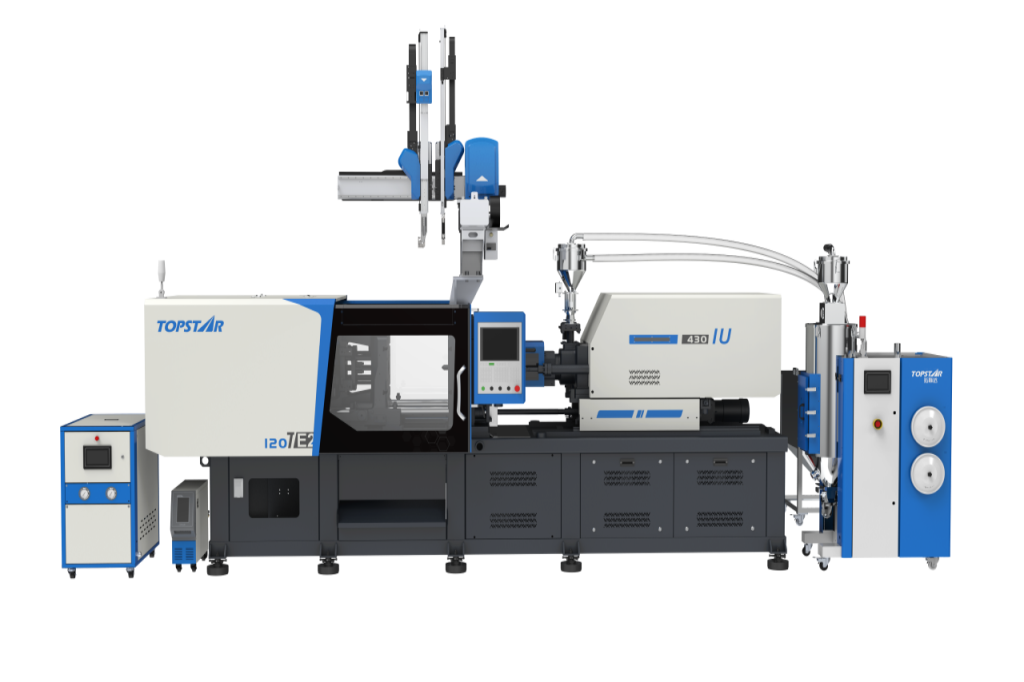
Topstar injection molding machines automatically monitor machine load and mold protection status. These intelligent functions help detect abnormal resistance during mold closure and prevent mechanical damage before it occurs. Regular maintenance is also crucial for preventing mold damage. Early detection of potential problems can be achieved by inspecting mold alignment components, lubrication systems, and machine tie rods.
Improving Production Stability Through Parameter Optimization
Optimizing machine parameters is another key step in preventing clamping force mismatch. Injection pressure, holding pressure, and mold temperature all affect the force required to keep the mold closed during production.
For example, excessively high injection pressure increases cavity pressure, requiring the injection molding machine to provide greater clamping force. Careful adjustment of injection parameters by the operator can significantly reduce the required clamping force, thereby reducing stress on the mold. Similarly, stable mold temperature helps stabilize material flow and prevents pressure spikes during injection. When temperature conditions remain stable, the molding machine can maintain more predictable clamping performance. Production data analysis also helps optimize parameters. By tracking long-term trends in the process flow, engineers can identify abnormal pressure fluctuations and adjust machine settings accordingly. This data-driven approach ensures long-term stability and reduces the risk of mold damage from clamping force mismatches.
Proper Troubleshooting for Stable and Reliable Production
Mold damage caused by a mismatch in clamping force is a common problem in injection molding production. Still, it can be effectively prevented through systematic troubleshooting and proper machine management. Successful troubleshooting hinges on accurate diagnosis, proper mold repair, and optimized machine parameters. When these elements work together, manufacturers can significantly extend mold life, improve product quality, and maintain stable production efficiency.
TRENDING POSTS
- TOPSTAR Global Open Day 2025: Humanoid Robot Debuts, Pioneering a New Decade of Intelligent Manufacturing 2026/03/06
- Topstar Showcases TE II Electric Injection Molding Machines at InterPlas Thailand 2025 2026/03/06
- Topstar Expands Its Ecosystem Partnerships to Drive Smart Manufacturing Innovation 2026/03/06
- What factors can cause delays in the injection molding process of plastic molding machine? 2026/03/06
HOT TOPIC
- .ervo motor-driven linear robots
- •
- 1.0 guangdong topstar technology co. ltd
- 1.0 topstar china
- 1.0 topstar robot
- 11
- 160℃ mold temperature controller
- 170 ton injection molding machine
- 2
- 21
- 220-ton injection molding machine
- 23
- 260 ton injection molding machine
- 3 axis robot
- 3 axis robots
- 3 in 1 Compact Dehumidifying Dryer
- 3-axis robot
- 3-axis robots
- 39
- 41
- 460T injection molding machine
- 5-axis CNC machine
- 62
- 90 ton injection molding machine
- accuracy
- Air Chillers
- all electric injection molding machine
- all electric injection molding machines
- all-electric injection molding machine
- All-electric injection molding machines
- and overall production quality. Therefore
- AP-RubberPlas
- auto loader
- automated injection molding machine
- Automation changed engineering
- automation of injection molding robots
- automotive parts injection molding
- Auxiliary Equipment
- auxiliary machine
- Bench Injection Molding Machine
- cabinet dryer
- Cabinet dryer manufacturers
- Cabinet dryers
- chiller
- CNC Drilling Machine
- CNC Drilling Machines
- cnc engraving machine manufacturer
- cnc laser cutting machine manufacturer
- CNC machine
- CNC Machine Center
- CNC Machine for Sale
- CNC Machine Manufacturing
- CNC Machine Tool
- CNC machine tool product
- CNC Machining Center
- CNC wood carving machine
- Cooling system
- Cross-Walking Single Axis Servo Cylinder Robot
- Cross-Walking Single-Axis Servo Cylinder Robot
- Cross-Walking Three-Axis/Five-Axis Servo Driven Robot
- cross-walking three-axis/five-axis servo-driven robot
- Dehumidifier Dryer
- Dehumidifying Dryer
- delta parallel robot
- Desktop Injection Molding Machine
- Desktop injection molding machines
- Desktop Molding Machine
- desktop plastic injection machine
- Desktop Plastic Injection Molding Machine
- Digital Transformation
- direct clamp injection molding machine
- Direct clamp injection molding machines
- Dosing & mixing system
- Drilling Centers
- Drying and dehumidification system
- drying and dehumidifying equipment
- Drying and Dehumidifying System
- drying system
- effective and efficient. Cabinet dryers are also used in other industries where large quantities of material need to be dried
- efficient injection molding machine
- elbow hydraulic injection molding machines
- electric injection molding machine
- electric injection molding machines
- energy-efficient injection molding robot
- energy-efficient water chiller
- energy-efficient water chillers
- energy-saving injection molding machine
- etc. Among injection molding robots
- exhibition
- features of CNC machine
- Feeding And Conveying System
- Five Axis Machine Center
- Flexible Production Line
- Fully automatic injection molding machine
- Gathering Topstar
- giant injection molding machine
- GMU-600 5-Axis Machining Center
- Granulating & Recycling System
- granulator machine
- gravimetric blender
- Heavy duty injection molding machine
- High-precision electric molding machines
- high-precision plastic molding machines
- high-speed all electric injection molding machine
- high-speed electric injection molding machine
- High-Speed Packaging Injection Molding
- Honeycomb rotor dehumidifier
- Hopper Dryers
- horizontal injection molding machine
- Horizontal Injection Molding Machines
- Horizontal Injection Moulding Machine
- Horizontal Mixer manufacturer
- How The CNC Machine Works
- hybrid injection molding machine
- hydraulic injection molding machine
- Hydraulic Injection Molding Machines
- in this article
- Industrial AI
- Industrial Automation
- Industrial robot
- Industrial Robot Chinese brand
- industrial robot parts
- industrial robot supplier
- Industrial robots
- Industry Chain
- Injection Manipulator
- injection manipulator robot
- injection mold machines
- Injection molding
- Injection molding automation
- Injection Molding Automation Solution
- injection molding dryer
- Injection molding equipment
- injection molding hopper dryer
- Injection molding machine
- injection molding machine brand
- Injection Molding Machine Factory
- Injection Molding Machine Manufacture
- Injection molding machine manufacturer
- injection molding machine manufacturers
- Injection molding machine procurement
- injection molding machine robotic arm
- injection molding machine with a robot
- Injection molding machines
- injection molding material dehumidifying
- injection molding plant
- injection molding process
- Injection Molding Robot
- injection molding robot arm
- Injection molding robot automation
- Injection molding robotic arm
- injection molding robots
- injection moulding dryer
- Injection moulding machine
- injection moulding machines
- Injection Moulding Robots
- Injection Robot
- Injection robot arm
- Injection robot manufacturer
- Injection robot wholesale
- injection robots
- Intelligent Factory
- intelligent injection molding machines
- Intelligent Manufacturing
- intelligent mold temperature
- intelligent mold temperature controller
- Intelligent mould temperature controller
- InterPlas Thailand 2025
- Introducing Injection Robot
- It is the best choice for drying large quantities of material at once. Cabinetmakers use these machines because they are fast
- Large flow water type mold temperature controller
- large injection molding machine
- large injection molding machines
- Learn what industrial automation and robotics is
- linear robot
- linear robots
- low speed sound-proof granulator
- machine plastic molding
- make sure to add some! Improvements (2) Keyphrase in introduction: Your keyphrase or its synonyms appear in the first paragraph of the copy
- manipulator machine
- manufacturing
- Manufacturing Innovation
- medical grade injection molding machines
- Medical Injection Molding
- medical injection molding machine
- medical injection molding machines
- micro injection molding machine
- middle speed granulator
- Mini CNC machine manufacturers.
- mobile cover making machine
- Mold Temperature Control System
- mold temperature controller
- mold temperature controllers
- molding machine
- molding material Dehumidifying System
- mould temperature control system
- mould temperature controller
- mould temperature controllers
- New electric injection molding machine
- nitrogen dryer manufacturer
- nitrogen dryer system manufacturer
- Oil type mold temperature controller
- Oil type mold temperature controllers
- open day
- optical component injection molding
- Outbound links: No outbound links appear in this page. Add some! Images: No images appear on this page. Add some! Internal links: No internal links appear in this page
- packaging injection molding
- Packaging Solutions
- PET Preform injection molding
- phone case maker machine
- phone case making machine
- phone cover making machine
- PID Control Mold Temperature Controller
- plastic auto loader
- plastic bottle making machine
- plastic bottle manufacturing
- plastic bucket making machine
- plastic bucket manufacturing
- Plastic chair making machine
- plastic dryer for injection molding
- plastic forming equipment
- Plastic Granulators
- plastic hopper dryer
- plastic injection machine
- plastic injection machines
- plastic injection molding
- Plastic injection molding equipment
- Plastic injection molding machine
- Plastic Injection Molding Machines
- plastic injection moulding machine
- plastic injection moulding machines
- plastic injection robot
- plastic molding
- Plastic Molding Industry
- Plastic Molding machine
- plastic molding machine 1
- Plastic Molding Machines
- plastic molding press
- plastic moulding machine
- plastic phone case making machine
- plastic-molding machine
- powerful granulator
- Powerful Type Sound-Proof Granulator
- precision injection molding
- precision injection molding machines
- production of plastic seats
- pure water mould temperature controller
- Robot injection molding
- robot injection molding machine
- robot manufacturing companies
- Robotic arm for injection molding machine
- robotic injection molding machines
- robotics in injection molding
- SCARA robot
- SCARA robots
- Screw dosers
- Service-oriented manufacturing
- Servo Cylinder Robot
- servo driven robot
- Servo Driven Robots
- servo injection molding machine
- servo injection robots
- servo motor-driven linear robots
- servo-driven 3-axis robot
- Servo-driven injection molding machine
- Servo-Driven Robot
- Setup of injection machine
- Silicone Injection Molding Machine
- six-axis industrial robot
- Smart Manufacturing
- soundproof granulator
- Stainless Hopper Dryer
- Stainless Hopper Dryers
- star club
- swing arm robot
- take-out robot
- take-out robots
- Thailand 4.0
- the choice between servo-driven robots and hydraulic robots will have a certain impact on efficiency
- the most popular injection molding machine
- the type of injection molding robot
- TIC2000 Control System
- TMII injection molding machine
- toggle clamp injection molding machine
- Toggle Hydraulic Injection Molding Machines
- toggle injection molding machine
- Top 10 brands of injection robots
- Topstar
- Topstar Electric Injection Molding Machine InterPlas Thailand 2025 Smart Manufacturing Thailand 4.0
- Topstar Engineering
- Topstar Industrial Robots
- Topstar injection molding intelligent
- Topstar Scara Robots
- Useful Injection molding machine
- Vertical machining centers
- volumetric type blender
- water chiller
- water chillers
- water distributor
- water type mold temperature controller
- Water Type MoldTemperature Controller
- Water-Type Mould Temperature Controllers
- We often face choices when performing injection molding. We will choose the type of injection molding machine
- wholesale of injection molding machines
- x carve CNC
- 热门查询 点击次数 展示 排名 topstar