
Adjusting Drying Time: How to Configure a Hopper Dryer for Different Plastic Types?
2026/03/16 By le zhan
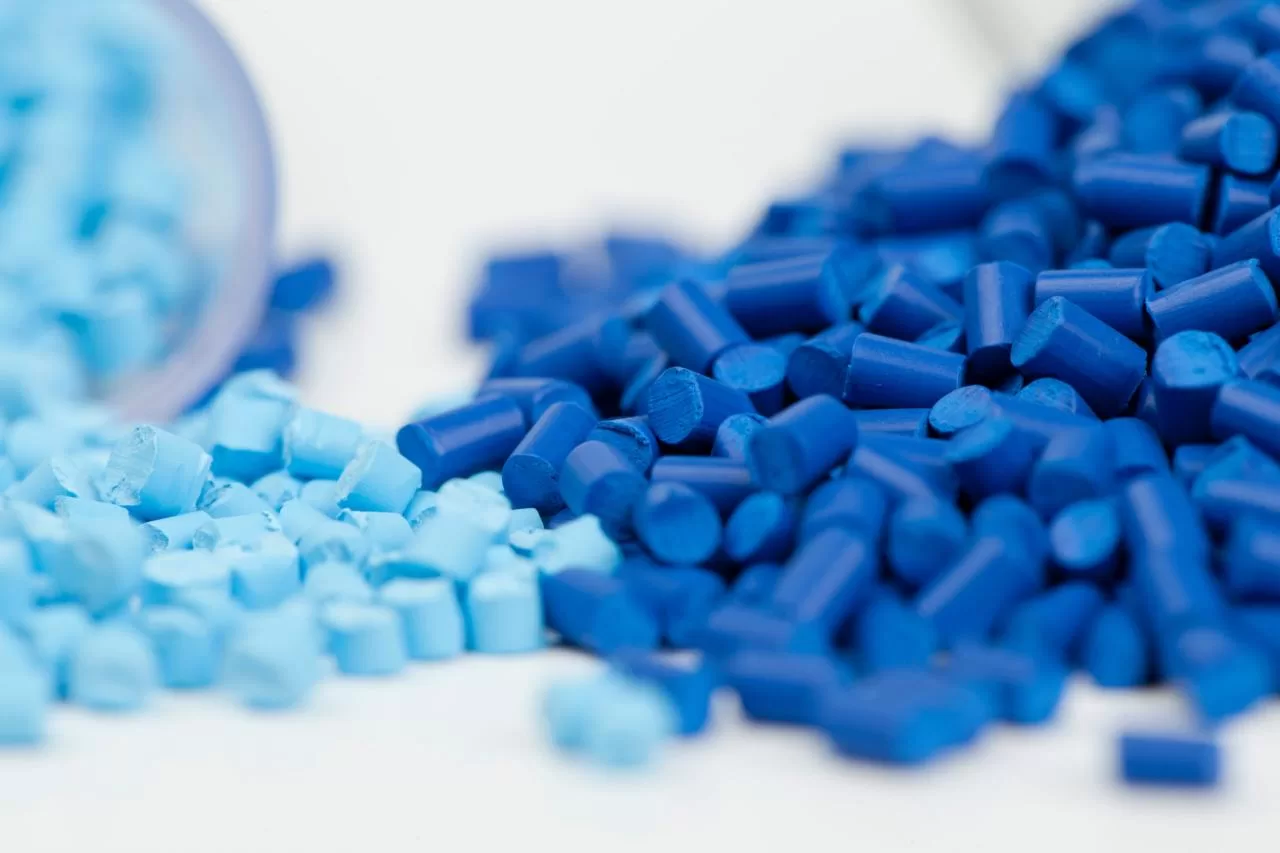
Different plastics absorb and release moisture at varying rates; a one-size-fits-all drying approach can lead to waste, defective parts, and process deviations. Therefore, it is essential to configure hopper dryer drying times based on the material type, ensuring the plastic material reaches its optimal processing state before melting. All Topstar hopper dryers are equipped with PID self-tuning controllers that automatically stabilize temperature and compensate for environmental or load fluctuations. This feature helps manufacturers maintain consistent drying temperatures and ensure reliable material conditions. Additionally, we have provided a reference guide detailing typical drying times for common injection molding materials.
The Importance of Proper Plastic Drying
Many thermoplastic materials are hygroscopic, meaning they naturally absorb moisture from the surrounding air. Even when stored under standard warehouse conditions, these materials will gradually absorb moisture. When an injection molding machine subsequently heats these materials, the absorbed moisture can rapidly vaporize, creating internal voids or surface defects in the molded product.
A hopper dryer operates by blowing heated air into a container filled with plastic pellets. As hot air circulates through the hopper, it evaporates the moisture on the pellets’ surfaces and carries it away with the airflow. Over time, the heat penetrates deeper into the pellets, gradually extracting their internal moisture. This controlled heating process ensures that the pellets dry uniformly before they enter the injection molding machine. Furthermore, the airflow within the hopper dryer continuously expels moist air while introducing fresh, heated air. This maintains a stable drying environment, thereby providing consistent material preparation conditions for the injection molding process.

Key Advantages of Using Hopper Dryer
First, they provide a reliable method for pre-treating plastic raw materials, ensuring that every batch of pellets entering the injection molding machine possesses a consistent moisture content. Second, they significantly reduce product defects caused by excessive moisture, thereby improving product quality and customer satisfaction. Another significant advantage is that hopper dryers help maintain stable processing conditions within the injection molding machine. When manufacturers thoroughly dry plastic raw materials, the melting process becomes more stable and produces improved melt flow characteristics. Ultimately, this yields finished products with superior dimensional stability and enhanced mechanical properties. Furthermore, Topstar’s plastic material drying systems are equipped with PID self-tuning temperature control, ensuring a stable drying temperature throughout the process. This intelligent control method automatically adjusts heating output to maintain the target temperature, helping operators avoid overheating or temperature fluctuations.
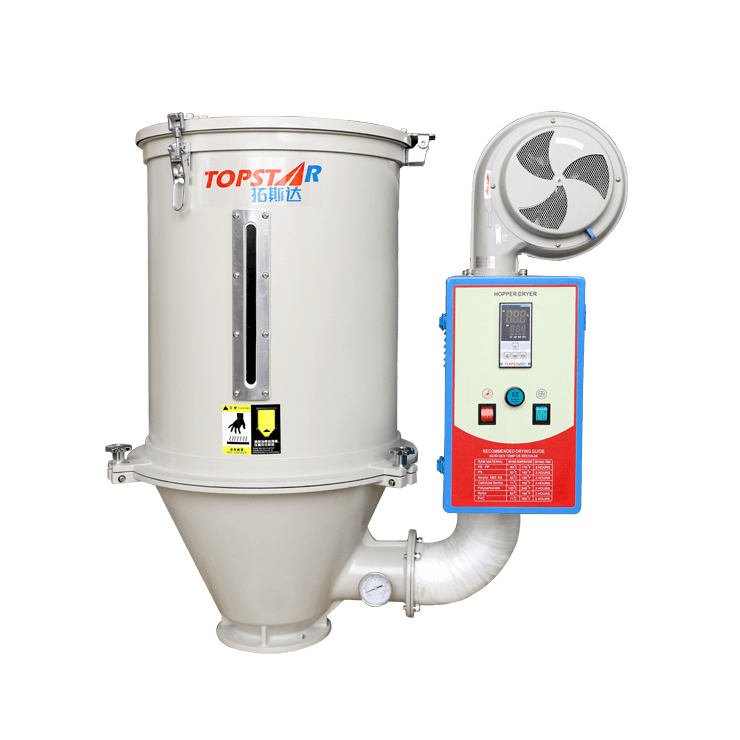
Hopper Dryer Configurations for Different Plastic Materials
Different types of plastics exhibit varying moisture-absorption rates, meaning each material requires specific drying conditions. Properly configuring the hopper dryer ensures that the material reaches its optimal moisture content level before entering the injection molding machine. If drying temperature or time settings are incorrect, the material may be insufficiently dried (retaining residual moisture) or suffer from overheating—both of which can adversely affect product quality.
Typical Drying Parameters for Common Plastics
The table below lists typical drying conditions commonly used in many injection molding facilities. These values serve as a practical reference guide for configuring hopper dryers; however, specific parameter settings may vary depending on the resin grade, pellet size, and the supplier’s recommendations.
| Plastic Material | Drying Temperature | Typical Drying Time |
|---|---|---|
| Nylon (PA) | 80–90°C | 4–6 hours |
| Polycarbonate (PC) | 110–120°C | 2–4 hours |
| PET | 150–160°C | 3–6 hours |
| ABS | 80–90°C | 2–3 hours |
| PMMA | 80–90°C | 2–3 hours |
| Polypropylene (PP) | 70–80°C | 1–2 hours |
| Polystyrene (PS) | 60–70°C | 1–2 hours |
Highly hygroscopic plastics—such as PA, PET, and PC—require longer drying times because they can absorb significant amounts of moisture from the air. If operators do not properly dry these materials, the moisture they contain may trigger hydrolysis reactions during melting, thereby weakening the polymer chain structure and reducing the product’s strength.
Adjusting Drying Time Based on Production Conditions
In actual production environments, drying parameters may need to be adjusted to suit the facility’s specific operating conditions. For instance, materials stored in humid environments may contain higher moisture levels and therefore require longer drying times. Similarly, materials stored in open containers may absorb more moisture compared to those stored in sealed packaging. Another critical factor is the use of recycled or regrind materials. Regrind pellets typically possess a larger surface area and may absorb more moisture during storage; consequently, they often require extended drying times to ensure complete moisture removal. Topstar’s hopper dryers simplify these adjustments by utilizing PID control to achieve precise temperature regulation. With the drying temperature held constant, operators can focus on adjusting the drying time to meet the material’s specific requirements without worrying about temperature fluctuations.
Setup Procedure
The first step is to identify the specific type of plastic you use and consult the drying parameters recommended by the material supplier. Once you confirm these parameters, the operator should set the hopper dryer’s drying temperature within the recommended range.
After setting the temperature, determine the appropriate drying time. Operators should determine the drying time based on the material’s initial moisture content and the environmental conditions in the production workshop. Once they configure the temperature and drying time, they should preheat the hopper dryer before loading the plastic granules.
During operation, the operator should monitor the airflow and temperature stability within the hopper. Adequate airflow ensures effective moisture removal from the material, while stable temperature control prevents overheating or uneven drying. This monitoring process helps ensure that the injection molding dryer operates at peak performance.
Topstar’s PID self-tuning hopper dryers further streamline this process. The intelligent temperature control system continuously adjusts heating power to maintain the target temperature, thereby reducing the need for manual adjustments and ensuring consistent drying conditions throughout the entire production cycle.
Setting the Correct Timing Yields High-Quality Drying Results
Since different plastics require distinct drying conditions, manufacturers must carefully adjust the drying temperature and duration to suit each material’s specific characteristics. When these parameters are configured correctly, the drying process serves as a reliable foundation for stable injection molding production. Therefore, it is essential to understand the drying requirements of various plastic materials to minimize moisture-related defects and achieve superior surface quality, enhanced mechanical strength, and more consistent product dimensions.
TRENDING POSTS
- Breaking Through the Full Scene-to-AI Link! Topstar Industrial Data Collection Matrix Achieves Major Technical Breakthro 2026/03/16
- TOPSTAR Selected in “Forbes China AI Top 50” and Wins “2026 Embodied AI Industry Benchmark Award” 2026/03/16
- Topstar Achieves ISO 13849 Functional Safety Certification for Robotics 2026/03/16
- Topstar Completes Key Puzzle in Embodied Intelligence Data Closed Loop — Industrial AI Capability Foundation Now in Place 2026/03/16
HOT TOPIC
- .ervo motor-driven linear robots
- •
- 1.0 guangdong topstar technology co. ltd
- 1.0 topstar china
- 1.0 topstar robot
- 11
- 160℃ mold temperature controller
- 170 ton injection molding machine
- 2
- 21
- 220-ton injection molding machine
- 23
- 260 ton injection molding machine
- 3 axis robot
- 3 axis robots
- 3 in 1 Compact Dehumidifying Dryer
- 3-axis robot
- 3-axis robots
- 39
- 4 axis robot
- 4-axis SCARA robot
- 41
- 460T injection molding machine
- 5-axis CNC machine
- 62
- 90 ton injection molding machine
- accuracy
- Air Chillers
- air-cooled chillers
- all electric injection molding machine
- all electric injection molding machines
- all-electric injection molding machine
- All-electric injection molding machines
- and overall production quality. Therefore
- AP-RubberPlas
- auto cooling system
- auto loader
- Auto Loaders
- automated injection molding machine
- Automation changed engineering
- automation of injection molding robots
- automotive parts injection molding
- Auxiliary Equipment
- auxiliary machine
- Bench Injection Molding Machine
- cabinet dryer
- Cabinet dryer manufacturers
- Cabinet dryers
- cartesian coordinate robot
- Cartesian Coordinate Robots
- Cartesian injection robot
- Cartesian robot
- Central Feeding System
- Central Feeding Systems
- chiller
- CNC Drilling Machine
- CNC Drilling Machines
- cnc engraving machine manufacturer
- cnc laser cutting machine manufacturer
- CNC machine
- CNC Machine Center
- CNC Machine for Sale
- CNC Machine Manufacturing
- CNC Machine Tool
- CNC machine tool product
- CNC Machining Center
- CNC wood carving machine
- Compact Dehumidifying Dryer
- Cooling system
- Cross-Walking Single Axis Servo Cylinder Robot
- Cross-Walking Single-Axis Servo Cylinder Robot
- Cross-Walking Three-Axis/Five-Axis Servo Driven Robot
- cross-walking three-axis/five-axis servo-driven robot
- Dehumidifier Dryer
- Dehumidifying Dryer
- dehumidifying dryers
- delta parallel robot
- Desktop Injection Molding Machine
- Desktop injection molding machines
- Desktop Molding Machine
- desktop plastic injection machine
- Desktop Plastic Injection Molding Machine
- detachable autoloader
- Digital Transformation
- direct clamp injection molding machine
- Direct clamp injection molding machines
- Dosing & mixing system
- Drilling Centers
- Drying and dehumidification system
- drying and dehumidifying equipment
- Drying and Dehumidifying System
- drying system
- effective and efficient. Cabinet dryers are also used in other industries where large quantities of material need to be dried
- efficient injection molding machine
- elbow hydraulic injection molding machines
- electric injection molding machine
- electric injection molding machines
- energy-efficient injection molding robot
- energy-efficient water chiller
- energy-efficient water chillers
- energy-saving injection molding machine
- etc. Among injection molding robots
- exhibition
- features of CNC machine
- Feeding And Conveying System
- Five Axis Machine Center
- Flexible Production Line
- Fully automatic injection molding machine
- Gathering Topstar
- giant injection molding machine
- GMU-600 5-Axis Machining Center
- Granulating & Recycling System
- granulator machine
- gravimetric blender
- Heavy duty injection molding machine
- Heavy-Duty Take-Out Robot
- High-precision electric molding machines
- high-precision plastic molding machines
- high-speed all electric injection molding machine
- high-speed electric injection molding machine
- High-Speed Packaging Injection Molding
- Honeycomb rotor dehumidifier
- hopper dryer
- Hopper Dryers
- horizontal injection molding machine
- Horizontal Injection Molding Machines
- Horizontal Injection Moulding Machine
- Horizontal Mixer manufacturer
- How The CNC Machine Works
- hybrid injection molding machine
- hydraulic injection molding machine
- Hydraulic Injection Molding Machines
- in this article
- Industrial AI
- Industrial Automation
- Industrial robot
- Industrial Robot Chinese brand
- industrial robot parts
- industrial robot supplier
- Industrial robots
- Industry Chain
- Injection Manipulator
- injection manipulator robot
- injection mold machines
- Injection molding
- Injection molding automation
- Injection Molding Automation Solution
- injection molding dryer
- Injection molding equipment
- injection molding hopper dryer
- Injection molding machine
- injection molding machine brand
- Injection Molding Machine Factory
- Injection Molding Machine Manufacture
- Injection molding machine manufacturer
- injection molding machine manufacturers
- Injection molding machine procurement
- injection molding machine robotic arm
- injection molding machine with a robot
- Injection molding machines
- injection molding material dehumidifying
- injection molding plant
- injection molding process
- Injection Molding Robot
- injection molding robot arm
- Injection molding robot automation
- Injection molding robotic arm
- injection molding robots
- injection molding whole plant
- injection moulding dryer
- Injection moulding machine
- injection moulding machines
- Injection Moulding Robots
- Injection Robot
- Injection robot arm
- Injection robot manufacturer
- Injection robot wholesale
- injection robots
- Intelligent Factory
- intelligent injection molding machines
- Intelligent Manufacturing
- intelligent mold temperature
- intelligent mold temperature controller
- Intelligent mould temperature controller
- intelligent whole plant solution
- InterPlas Thailand 2025
- Introducing Injection Robot
- It is the best choice for drying large quantities of material at once. Cabinetmakers use these machines because they are fast
- Large flow water type mold temperature controller
- large injection molding machine
- large injection molding machines
- Learn what industrial automation and robotics is
- linear robot
- linear robots
- low speed sound-proof granulator
- machine plastic molding
- make sure to add some! Improvements (2) Keyphrase in introduction: Your keyphrase or its synonyms appear in the first paragraph of the copy
- manipulator machine
- manufacturing
- Manufacturing Innovation
- medical grade injection molding machines
- Medical Injection Molding
- medical injection molding machine
- medical injection molding machines
- micro injection molding machine
- middle speed granulator
- Mini CNC machine manufacturers.
- mobile cover making machine
- Mold Temperature Control System
- mold temperature controller
- mold temperature controllers
- molding machine
- molding material Dehumidifying System
- mould temperature control system
- mould temperature controller
- mould temperature controller
- mould temperature controllers
- New electric injection molding machine
- Nitrogen Dryer
- nitrogen dryer manufacturer
- nitrogen dryer system manufacturer
- Oil type mold temperature controller
- Oil type mold temperature controllers
- open day
- optical component injection molding
- Optical-grade dehumidifying dryer
- Outbound links: No outbound links appear in this page. Add some! Images: No images appear on this page. Add some! Internal links: No internal links appear in this page
- packaging injection molding
- Packaging Solutions
- PET Preform injection molding
- phone case maker machine
- phone case making machine
- phone cover making machine
- PID Control Mold Temperature Controller
- plastic auto loader
- plastic bottle making machine
- plastic bottle manufacturing
- plastic bucket making machine
- plastic bucket manufacturing
- Plastic chair making machine
- plastic dryer for injection molding
- plastic forming equipment
- Plastic Granulator
- Plastic Granulators
- plastic hopper dryer
- plastic injection machine
- plastic injection machines
- plastic injection molding
- Plastic injection molding equipment
- Plastic injection molding machine
- Plastic Injection Molding Machines
- plastic injection moulding machine
- plastic injection moulding machines
- plastic injection robot
- plastic molding
- Plastic Molding Industry
- Plastic Molding machine
- plastic molding machine 1
- Plastic Molding Machines
- plastic molding press
- plastic moulding machine
- plastic phone case making machine
- plastic-molding machine
- powerful granulator
- Powerful Type Sound-Proof Granulator
- precision injection molding
- precision injection molding machines
- production of plastic seats
- pure water mould temperature controller
- Robot injection molding
- robot injection molding machine
- robot manufacturing companies
- Robotic arm for injection molding machine
- robotic injection molding machines
- robotics in injection molding
- SCARA robot
- SCARA robots
- Screw dosers
- Service-oriented manufacturing
- Servo Cylinder Robot
- servo driven robot
- Servo Driven Robots
- servo injection molding machine
- servo injection robots
- servo motor-driven linear robots
- servo-driven 3-axis robot
- Servo-driven injection molding machine
- Servo-Driven Robot
- Setup of injection machine
- Silicone Injection Molding Machine
- six-axis industrial robot
- Smart Manufacturing
- soundproof granulator
- Sprue Picker
- Stainless Hopper Dryer
- Stainless Hopper Dryers
- star club
- swing arm robot
- T1 Cartesian injection robot
- take-out robot
- take-out robots
- Thailand 4.0
- the choice between servo-driven robots and hydraulic robots will have a certain impact on efficiency
- the most popular injection molding machine
- the type of injection molding robot
- TIC2000 Control System
- TMII injection molding machine
- toggle clamp injection molding machine
- Toggle Hydraulic Injection Molding Machines
- toggle injection molding machine
- Top 10 brands of injection robots
- Topstar
- Topstar Electric Injection Molding Machine InterPlas Thailand 2025 Smart Manufacturing Thailand 4.0
- Topstar Engineering
- Topstar Industrial Robots
- Topstar injection molding intelligent
- Topstar Scara Robots
- Useful Injection molding machine
- Vertical machining centers
- volumetric type blender
- Washing Machine Case Molding Solution
- water chiller
- water chillers
- water distributor
- water type mold temperature controller
- Water Type MoldTemperature Controller
- Water-Cooled Chillers
- Water-cooled Mold Temperature Controller
- water-type mold temperature controller
- Water-Type Mould Temperature Controllers
- We often face choices when performing injection molding. We will choose the type of injection molding machine
- wholesale of injection molding machines
- x carve CNC
- 热门查询 点击次数 展示 排名 topstar